Getting employees excited about company events can feel like a puzzle. You set up a fun activity, send out invitations, and yet, the RSVP list stays stubbornly short. If you’re searching for how to encourage employees to participate in events—and not just show up, but truly engage—you’re not alone. The good news? With the right tactics, you can transform event participation from an uphill battle into a genuine team highlight.
This guide unpacks 12 proven strategies for boosting employee involvement in events. We’ll explore why people hesitate, how to make events irresistible, and the best ways to create lasting enthusiasm. Let’s dive in.
Understand Why Employees Hold Back
Before you can motivate employees to join in, it’s crucial to understand what might be holding them back. Many companies overlook this step, jumping straight to incentives or reminders. But participation starts with empathy.
Survey Common Barriers: Time, Interest, Anxiety
Employees often skip events for practical reasons—packed schedules, family commitments, or simply feeling overwhelmed. Others might not see the value or worry about awkward social interactions. For some, events feel like just another task rather than a break from the routine.
“If you want to ‘team build’ with parties or activities, do it within regular working hours. Most people feel like off-work hours belong to them, not the company.”
— Quora Contributor
A quick, anonymous survey can reveal these barriers. Ask employees what stops them from attending and what would make participation easier or more appealing.
Separate Mandatory Work vs Personal Time Concerns
The line between work and personal life is sharper than ever. Employees may resist events that intrude on their own time, even if the activity sounds enjoyable. It’s important to distinguish between events held during work hours (which feel like part of the job) and those outside of them (which can feel like an obligation).
By recognizing these boundaries, you show respect for employees’ time and autonomy—a key ingredient for genuine engagement.
Align Events With Employees’ Interests and Needs

No two teams are the same, so a one-size-fits-all approach rarely works. Employees are far more likely to participate in events that reflect their interests and needs.
Co-Create Agendas with Staff Committees
Involving employees in event planning is a game-changer. Form a staff committee or gather volunteers to help shape the agenda. This gives employees a sense of ownership and ensures the event is relevant.
“As employees become more engaged and involved in company activities, they will want some say in what those activities are.”
— ADP SPARK Blog
Encourage the committee to gather input from their peers. This could be as simple as a poll asking what types of activities people prefer or a brainstorming session about new event ideas.
Offer Diverse Formats (Social, Volunteer, Skill-Building)
Not everyone loves karaoke night or team sports. To reach more people, offer a mix of event formats, such as:
- Social mixers for casual networking
- Volunteer days for giving back to the community
- Skill-building workshops for professional growth
This diversity ensures there’s something for everyone, making it much easier to find an event that sparks interest.
Communicate the Value Early and Often
Even the best-planned event can flop if employees don’t see why it matters. Clear, enthusiastic communication is key to building anticipation and buy-in.
Craft Messaging on How to Encourage Employees to Participate in Events
Frame event invitations around what employees will gain—new skills, connections, or even just a well-deserved break. Avoid making participation feel like a chore. Instead, highlight the benefits:
- “Join us to recharge and connect with colleagues in a relaxed setting.”
- “Discover new perspectives and unlock fresh ideas for your projects.”
Make it about them, not just the company.
Use Teaser Campaigns and Storytelling
Build excitement with a teaser campaign in the weeks leading up to the event. Share sneak peeks, fun facts, or testimonials from past attendees. Storytelling is powerful—describe memorable moments from previous events to help employees imagine the experience.
“Strategically build interest by conducting a teaser campaign. Drop enticing details about the event without revealing the whole thing.”
— Watson Adventures
A little mystery and anticipation can go a long way toward boosting participation.
Secure Leadership Support and Visibility
When leaders actively participate, it sends a strong message: this event matters.
Invite Executives to Model Active Involvement
Ask senior leaders to do more than just attend—have them join in activities, lead icebreakers, or share personal stories. This sets the tone and encourages others to follow suit.
“That commitment from senior leaders provides another signal that the organization places value on the event and demonstrates the important element of being in it together.”
— Watson Adventures
Employees notice when leadership is genuinely engaged, not just present.
Empower Peers as Event Ambassadors
Peer influence is powerful. Recruit enthusiastic employees as event ambassadors. They can spread the word, answer questions, and encourage colleagues to join in. Ambassadors can also help new or hesitant team members feel more comfortable attending.
This approach fosters a sense of community and shared excitement.
Make Participation Easy, Accessible, and Inclusive
Even the most appealing event can fall flat if it’s hard to attend. Remove barriers to make participation seamless for everyone.
Schedule Within Work Hours or Compensate Time
Whenever possible, hold events during regular work hours. If that’s not feasible, offer flexible scheduling or compensate employees for their time. This shows respect for their personal commitments and makes it easier to say yes.
Provide Hybrid and Accessible Options
In today’s hybrid workplaces, accessibility is essential. Offer both in-person and virtual participation options. Ensure all venues are accessible to people with disabilities and provide accommodations as needed.
A platform like Neroia makes this effortless, helping employees discover and join events that fit their schedules and preferences—whether they’re in the office or remote.
Add Incentives Without Creating Pressure
Rewards can motivate participation, but they should add value, not feel like a bribe.
Use Meaningful Rewards Over Generic Swag
Think beyond the usual branded mugs or T-shirts. Choose incentives that matter to your team, such as:
- Gift cards for local experiences
- Extra paid time off
- Donations to a charity of the winner’s choice
Tailor rewards to the event and the people involved.
Recognize Contributions Publicly but Respectfully
Public recognition can be a powerful motivator, but it’s important to do so thoughtfully. Some employees love the spotlight, while others shy away from it. Offer different ways to acknowledge contributions, such as:
- Shout-outs in a team meeting
- Personalized thank-you notes
- Highlighting achievements in the company newsletter
“Putting employees in the spotlight can be uncomfortable. Recognize contributions in a way that feels authentic and respectful.”
— Quora Contributor
Measure, Learn, and Refine Your Approach
Continuous improvement is the secret to long-term success in event participation.
Track Attendance, Sentiment, and Business Impact
Collect data on who attends, how they feel about the experience, and any business outcomes (like improved collaboration or morale). Use anonymous surveys or digital tools to gather honest feedback.
Iterate with Employee Feedback Loops
Regularly ask employees what worked, what didn’t, and what they’d like to see next time. This feedback loop ensures your approach stays relevant and effective.
“You can encourage employee engagement in your workshops by relying on proven collaborative methods. Survey, ask, and iterate.”
— Klaxoon
Table: Tactics to Encourage Event Participation
| Tactic | What It Solves | Example Action |
|--------------|--------------|--------------|
| Survey barriers | Identifies real reasons for low turnout | Anonymous pre-event poll |
| Co-create agendas | Increases relevance and buy-in | Staff event committee |
| Teaser campaigns | Builds excitement | Weekly sneak peek emails |
| Leadership involvement | Sets positive example | Execs lead activities |
| Hybrid/accessible options | Removes participation barriers | Virtual attendance option |
| Meaningful incentives | Rewards engagement authentically | Extra PTO, charity donations |
| Feedback loops | Drives continuous improvement | Post-event surveys |
Bullet List: Common Employee Barriers to Event Participation
- Lack of time or scheduling conflicts
- Unclear value or relevance
- Social anxiety or discomfort
- Preference for personal time over work events
- Accessibility challenges (location, format, etc.)
Bullet List: Types of Events That Boost Participation
- Social mixers and networking lunches
- Volunteer days and community projects
- Skill-building workshops and training sessions
- Wellness and fitness challenges
- Team-building games and competitions
Ordered List: Steps to Launch a Successful Company Event
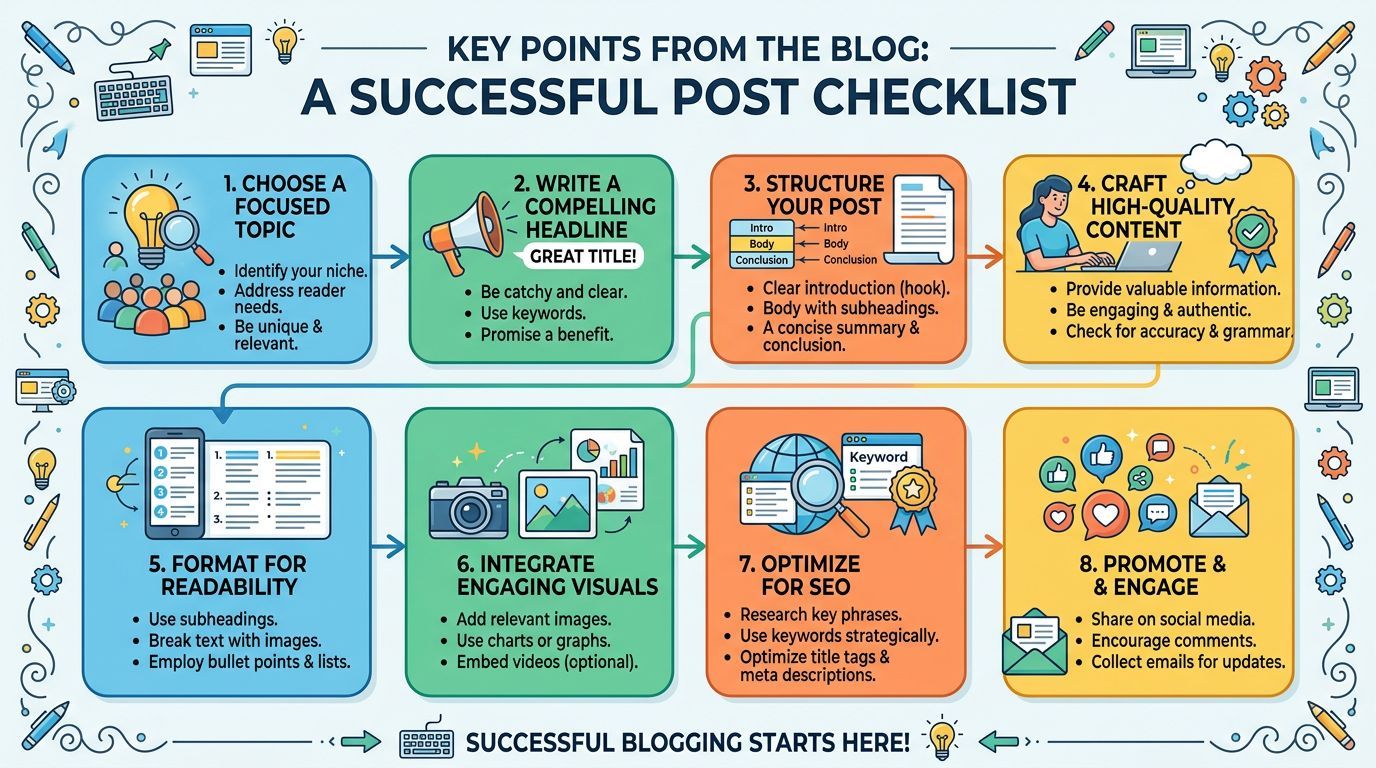
- Survey employees to understand preferences and barriers.
- Form a planning committee with diverse representation.
- Choose event formats that appeal to different interests.
- Communicate the value and build anticipation.
- Involve leadership and peer ambassadors.
- Make participation easy and accessible for all.
- Offer meaningful incentives and recognition.
- Gather feedback and measure impact.
- Refine your approach for next time.
Bringing It All Together
Encouraging employees to participate in events isn’t about flashy perks or mandatory fun. It’s about understanding their needs, respecting their time, and making every event feel like a genuine opportunity—not just another obligation. When employees feel heard, valued, and included, participation becomes natural.
Platforms like Neroia empower organizations to effortlessly discover and organize events that match employees’ unique interests and schedules. By removing planning friction and fostering authentic connections, Neroia helps teams build a vibrant, engaged culture—one event at a time.
The path to enthusiastic participation starts with empathy, creativity, and a willingness to adapt. With these 12 proven tactics, your next company event could be the one everyone’s talking about for all the right reasons.