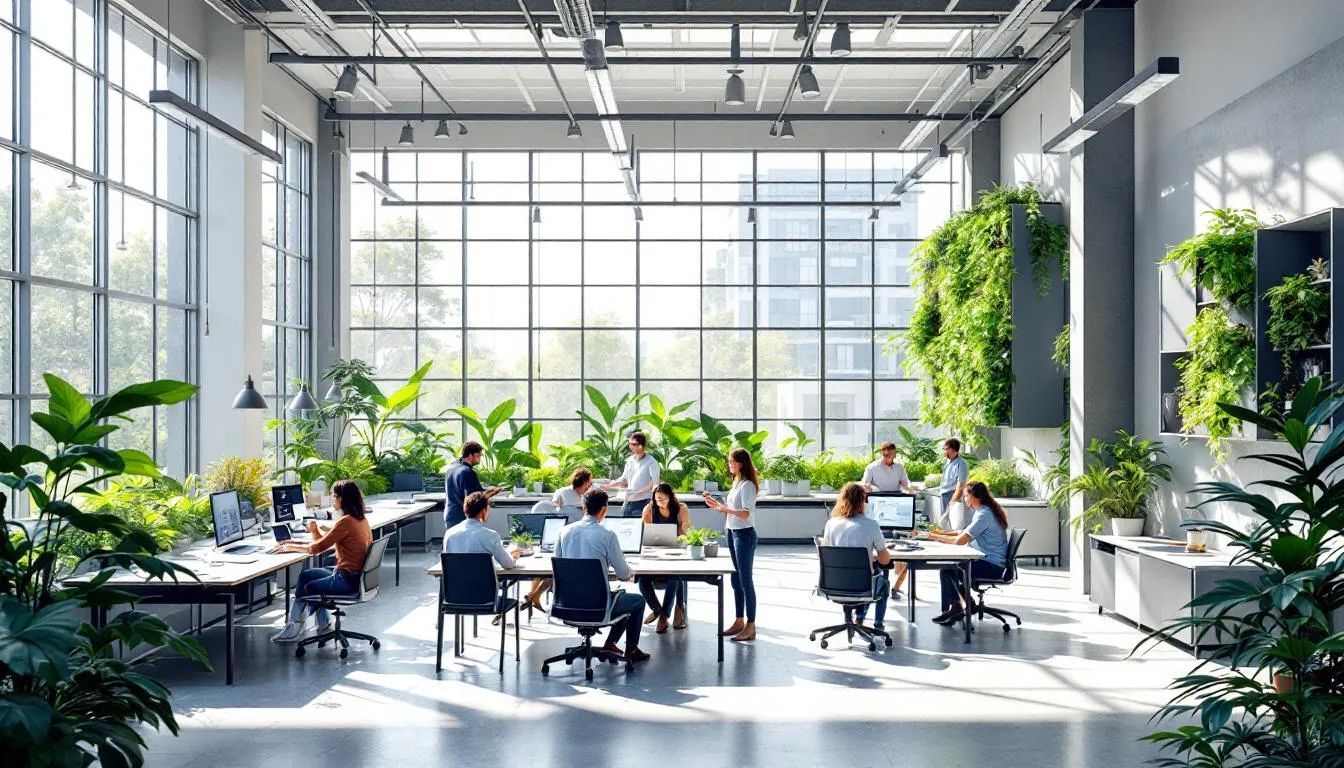
Imagine stepping into a workspace in 2030: sunlight streams through green walls, colleagues gather in a virtual forest for a brainstorming session, and an AI quietly matches you with a midday walking group. The workplace of the future is not just about where you work, but how you feel, connect, and thrive while doing it. As organizations race to adapt, the winners will be those who blend flexibility, technology, and a deep understanding of human needs. This guide explores the trends, technologies, and design principles shaping tomorrow’s world of work—and gives you a practical roadmap to get ahead.
From fixed offices to fluid ecosystems: why flexibility defines the workplace of the future
The workplace of the future is built on a foundation of flexibility. No longer confined to a single office or rigid schedule, employees expect the freedom to choose where and when they work. This shift is more than a trend; it’s a fundamental reimagining of what it means to be “at work.”
Hybrid as default: balancing autonomy and togetherness
Hybrid work is now the standard for many organizations. Employees split their time between physical offices and remote locations, enjoying the autonomy to design their ideal workweek. This model supports personal productivity and well-being while still nurturing the sense of belonging that comes from in-person collaboration.
A recent U.S. Chamber of Commerce report highlights that, even as remote work rates have normalized post-pandemic, over 25% of employees now work remotely at least part of the time—far above pre-2020 levels. Flexible arrangements are especially valued by diverse groups, who see them as essential for balancing work and life.
"Flexibility is the new amenity employees want—and will embrace if you offer it."
— McKinsey & Company
Forward-thinking companies are reengineering their cultures and policies to ensure that both autonomy and togetherness flourish. The most successful hybrid strategies provide clear expectations, seamless digital tools, and purposeful moments for teams to reconnect.
Anywhere, anytime productivity: lessons from early adopters
Organizations that embraced distributed work early have unlocked powerful lessons. Productivity is no longer tied to a desk or a 9-to-5 schedule. Instead, results matter most. Leading firms have reported increased employee satisfaction, faster innovation cycles, and even cost savings from reduced office footprints.
Early adopters have also learned that communication and trust are vital. Clear goals, regular check-ins, and transparent feedback loops keep teams aligned across locations and time zones. The lesson is clear: the workplace of the future thrives on flexibility, but only when supported by intentional design and leadership.
Macro forces reshaping jobs and space: technology, demography and sustainability
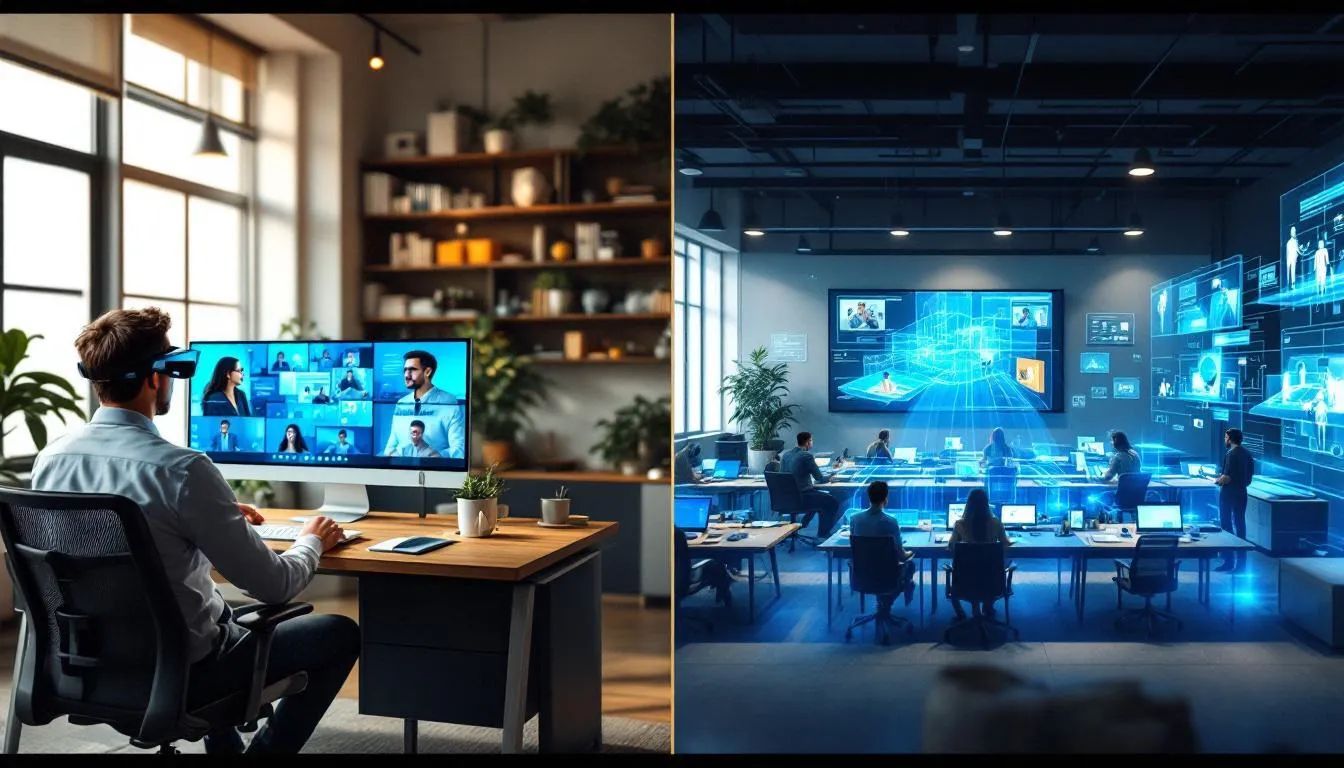
Looking ahead to 2030, three powerful forces are converging to reshape the workplace: rapid technological advancement, shifting demographics, and the urgent drive toward sustainability.
AI, green goals and aging talent pools collide
Artificial intelligence is automating routine tasks and augmenting human decision-making, freeing people to focus on creative and strategic work. At the same time, organizations face an aging workforce and shrinking talent pools in many regions. To stay competitive, they must attract and retain skilled employees from a wider range of backgrounds and locations.
Sustainability is now a core priority. Companies are rethinking their real estate and operations to meet ambitious environmental goals, from energy-efficient buildings to zero-waste policies. These green initiatives not only reduce costs but also appeal to purpose-driven talent.
The intersection of these trends means that leaders must design workplaces that are adaptive, inclusive, and environmentally responsible.
What the 2025 Future of Jobs data tells leaders
The World Economic Forum’s Future of Jobs Report 2025 reveals that:
- Technological change and the green transition are the top drivers impacting jobs through 2030.
- Continuous upskilling is essential, as new roles emerge and existing ones evolve.
- Hybrid and remote models are expected to remain prevalent, with organizations investing in digital enablement and employee well-being.
"A hallmark of the workplace of the future will be human employees working side by side with digital ones."
— ISG Future Workplace Study
Leaders must act now to future-proof their organizations, focusing on agility, lifelong learning, and the seamless integration of technology and people.
Designing human-centric hybrid offices people actually want to visit
As remote work becomes routine, the purpose of the office is changing. No longer just a place to clock in, the workplace of the future is a destination for connection, creativity, and community.
Purpose-built zones for focus, collaboration and community
Modern offices are being reimagined as ecosystems of specialized zones:
- Focus spaces for deep work, equipped with soundproofing and minimal distractions.
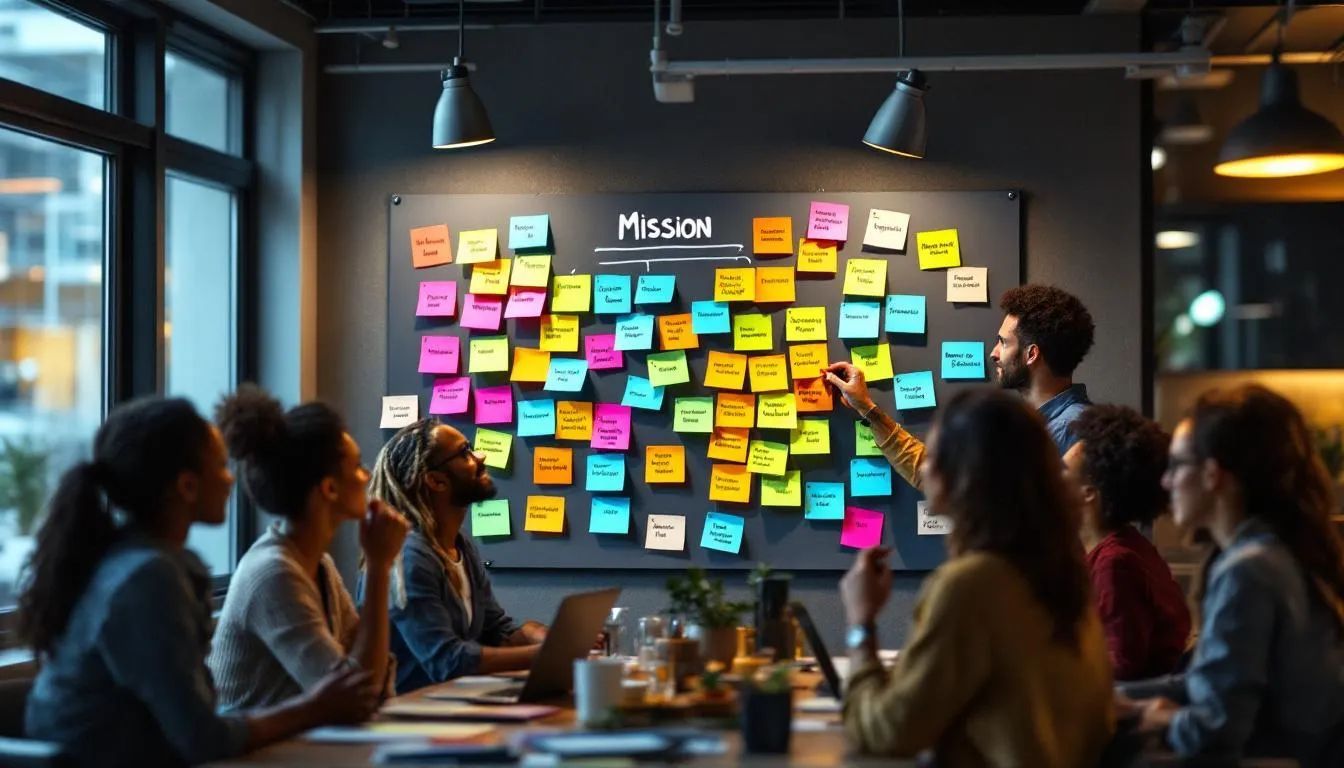
- Collaboration hubs designed for brainstorming, group projects, and creative sessions.
- Community areas that foster informal interactions, serendipitous encounters, and a sense of belonging.
Flexible furniture, movable walls, and adaptable layouts allow spaces to shift with changing needs. The goal: make the office a magnet, not a mandate.
Wellness, DEI and neurodiversity considerations in layout
A truly human-centric workplace prioritizes well-being and inclusivity. Design strategies now include:
- Natural light and biophilic elements to boost mood and reduce stress.
- Quiet zones and sensory-friendly spaces for neurodiverse employees.
- Accessible layouts for people of all abilities.
- Spaces for wellness, such as meditation rooms, fitness zones, and healthy dining options.
Diversity, equity, and inclusion (DEI) are integrated into every aspect of office design, ensuring everyone feels welcome and empowered to do their best work.
Digital foundations: AI, IoT and immersive tools that unite distributed teams
Technology is the invisible thread connecting the workplace of the future. From AI-driven scheduling to immersive virtual reality, digital tools make collaboration effortless—no matter where people are.
From smart sensors to digital twins of the office
Offices are becoming smarter every day. Internet of Things (IoT) devices monitor air quality, lighting, and occupancy in real time, creating safer and more efficient environments. Digital twins—virtual replicas of physical spaces—allow teams to visualize and optimize office layouts, energy use, and even cleaning schedules.
This data-driven approach helps organizations make better decisions, reduce costs, and create more responsive workplaces.
Mixed-reality meetings and the rise of virtual HQs
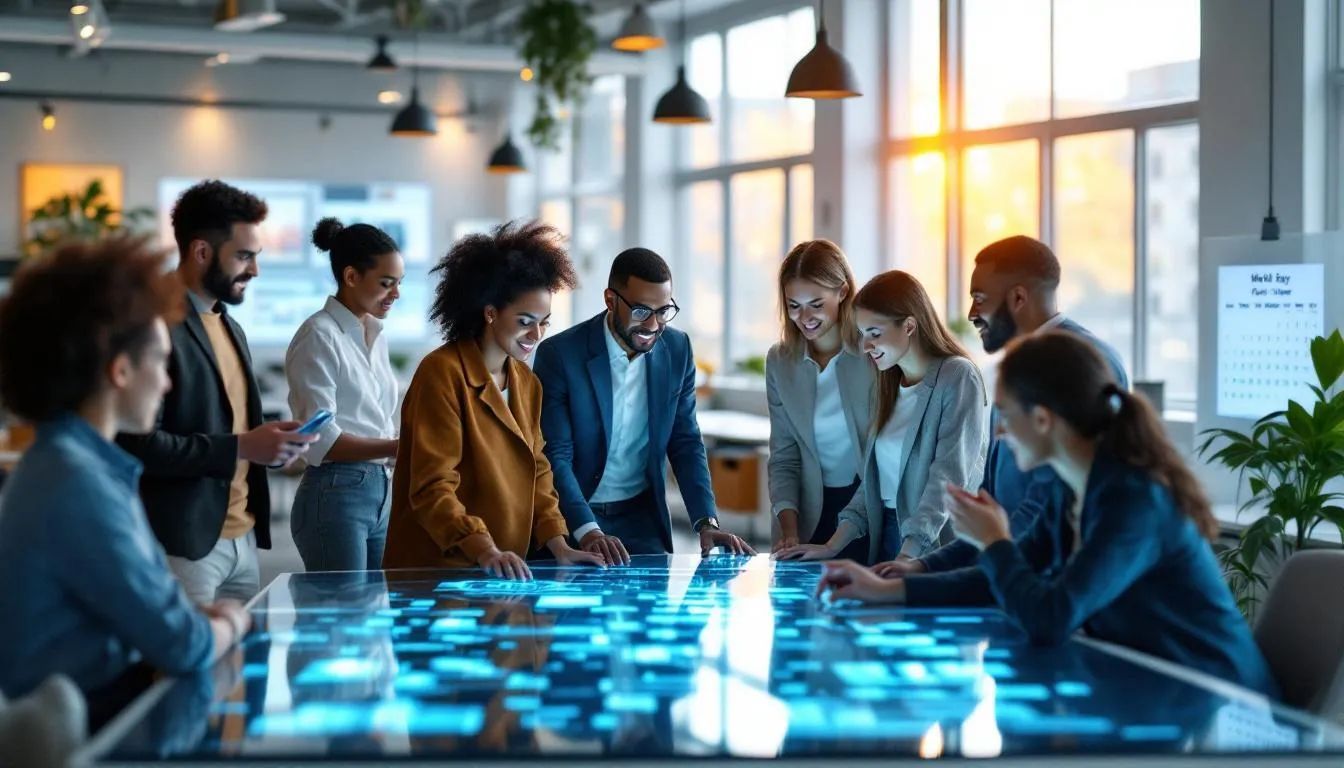
The next frontier is immersive collaboration. Mixed-reality platforms let remote and in-person teams meet in shared digital spaces, using avatars, 3D whiteboards, and interactive simulations. Virtual headquarters provide a sense of presence and belonging for distributed teams.
These technologies bridge the gap between physical and digital work, turning distance into a creative advantage.
"Today's digital workplace is the integration of the digital, physical and human workplaces."
— ISG Future Workplace Framework
Rethinking real estate: adaptive spaces, mixed-use hubs and cost optimisation
With more work happening outside traditional offices, organizations are rethinking how they use and manage their real estate.
Converting surplus offices into vibrant community assets
Vacant offices present an opportunity for reinvention. Many companies are transforming unused space into:
- Co-working hubs for employees and local entrepreneurs.
- Community centers offering wellness classes, cultural events, or childcare.
- Innovation labs open to partners and startups.
This approach not only reduces costs but also strengthens ties with local communities and supports broader social goals.
Metrics that matter: utilisation, energy and experience
To optimize space and spending, organizations are tracking new metrics:
Focusing on these metrics enables smarter decisions and helps create workplaces that are both efficient and inspiring.
Skills, culture and leadership for a borderless workforce
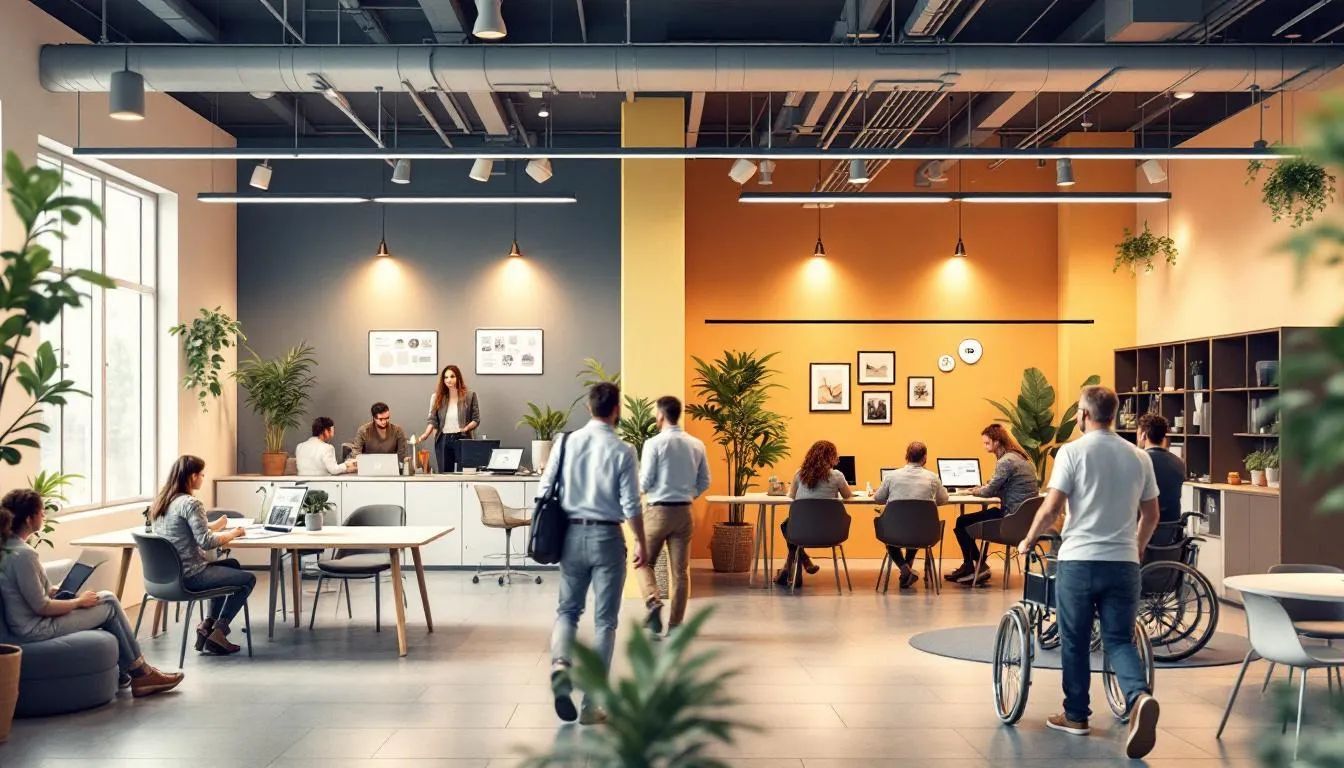
As teams become more global and distributed, the workplace of the future demands new skills, mindsets, and leadership styles.
Building trust and accountability across time zones
Trust is the foundation of successful distributed teams. Leaders must foster open communication, set clear expectations, and encourage autonomy. Regular check-ins, transparent goals, and recognition of achievements help build a culture of accountability and belonging.
"To make the most of flexible work, companies need to reevaluate how work is organized and how peers collaborate."
— McKinsey & Company
Digital platforms like Neroia play a pivotal role by making it easy for colleagues to effortlessly discover shared interests and connect through AI-powered activity suggestions. This not only strengthens workplace culture but also reduces the friction of planning and participation, especially across locations and time zones.
Continuous upskilling and the human-digital partnership
The rapid pace of change means that learning never stops. Organizations must invest in:
- Upskilling employees for new technologies and roles.
- Cross-skilling to build versatile, resilient teams.
- Promoting a growth mindset that embraces experimentation and adaptation.
The most successful workplaces will blend human creativity with digital intelligence, creating partnerships where people and technology amplify each other’s strengths.
Building your roadmap: six practical steps to future-proof your workplace plan
With so many moving parts, how can organizations confidently chart a path toward the workplace of the future? The answer lies in a structured, iterative approach.
Assess, test, map, equip, source and iterate – a proven framework
Here’s a six-step roadmap for leaders ready to future-proof their workplace strategy:
- Assess the health of your operations: Identify key cost and operational hotspots to inform change.
- Test the business model: Evaluate what works and what doesn’t; consider new approaches.
- Identify your capacity to deliver: Clarify how employees need and want to work.
- Map operating model change: Adapt to next-generation customers, employees, and technologies.
- Determine technology needs: Select the right tools and partners for your vision.
- Source your new business model: Bring together the components for your future workplace.
"Changing employee capabilities requires leaders to continuously identify gaps and up-skill and cross-skill employees so they are prepared to perform new job functions."
— ISG Future Workplace Study
Quick-win actions you can start this quarter
For organizations eager to take immediate steps, consider these practical actions:
- Launch a survey to understand employee needs and preferences.
- Pilot a flexible seating or hybrid scheduling policy.
- Upgrade meeting rooms with smart technology for seamless hybrid collaboration.
- Partner with platforms like Neroia to foster authentic connections and boost engagement.
- Measure space utilization and energy efficiency to identify savings.
- Offer targeted learning modules to close critical skills gaps.
Conclusion
The workplace of the future is not a distant vision—it’s unfolding now. By embracing flexibility, investing in technology, and designing for human connection, organizations can create environments where people and business thrive. The most successful companies will be those that continuously listen, adapt, and empower their teams.
As your organization embarks on this journey, remember: platforms like Neroia offer a flexible and user-centric way to effortlessly nurture culture, engagement, and community—making your workplace not just ready for the future, but truly a place where people want to be.