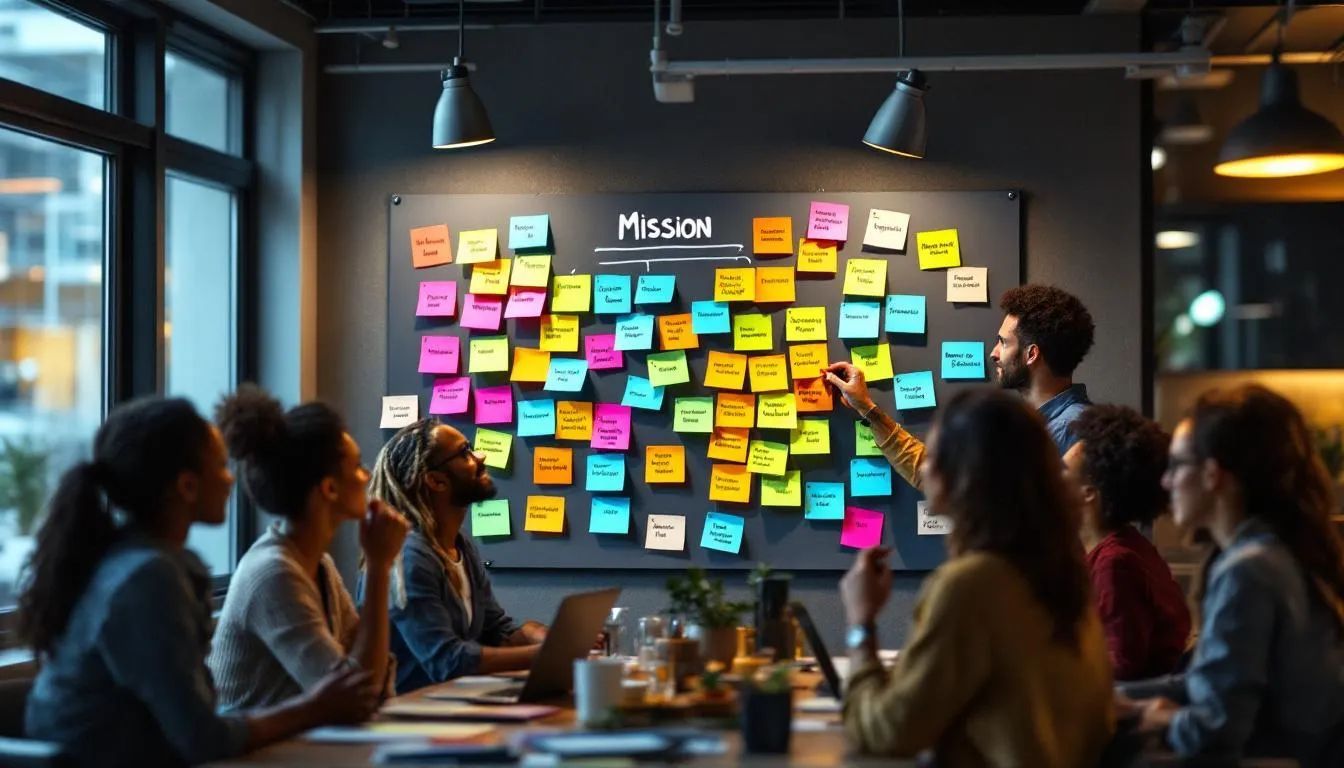
What if, in just a few years, keeping your best people will require a playbook unlike anything HR has seen before? The future of work is arriving fast, and employee retention in the future is on track to become both more complex and more critical. As demographic shifts, AI, and new work models collide, organizations that cling to old strategies risk losing their edge—and their talent. This guide unpacks what’s changing, why it matters, and how to build a future-proof retention strategy for 2026-2030.
Why Employee Retention Will Look Different by 2030
Demographic shifts and the shrinking labour pool
By 2030, the talent landscape will be transformed by significant demographic changes. The global workforce is aging, with many experienced professionals retiring and fewer young entrants replacing them. At the same time, immigration policies and fluctuating birth rates are reducing the available labour pool in many regions. According to the Work Institute’s 2025 Retention Report, voluntary turnover remains historically high, and organizations face rising costs to replace departing employees—often up to a third of annual salary per lost worker.
This shrinking pool means the competition for skilled employees will intensify. Companies will need to focus on retaining their current staff, as finding replacements will only get harder and more expensive. The ability to keep talent engaged and loyal will become a true differentiator.
Skills shortages, AI co-working and the rise of micro-careers
Skills gaps are widening as technology advances. AI and automation are reshaping roles, demanding new technical and soft skills. Rather than traditional, linear careers, many will pursue “micro-careers”—shorter stints focused on building specialized expertise or project portfolios.
Employees in the future will expect to work alongside AI, not compete with it. Those who can adapt and upskill quickly will thrive, while employers will need to offer continuous learning and meaningful work to retain top talent. The organizations that invest in reskilling and flexible career paths will be best positioned to weather the coming skills storm.
The New Drivers of Loyalty: More Than a Paycheck

Purpose and culture alignment trump salary
While compensation remains important, it’s no longer the main reason people stay. Research from SHRM and other sources consistently shows that toxic work environments, poor leadership, and a lack of connection to company values drive more departures than pay alone.
In fact, over 80% of employees say a positive work culture and alignment with organizational purpose are key reasons they stick around. Many are even willing to trade higher pay for better work-life balance, flexibility, and a sense of belonging.
“Employees don’t leave their jobs. They leave their experiences. When people feel like they’re just going through the motions in isolation, retention drops. But when they’re part of a shared journey with transparent leadership and relational trust, they stay longer and contribute more.”
— Chris Niems, HR Leader
Hyper-personalised growth paths and internal mobility
Another powerful driver of employee retention in the future is the promise of growth. Modern workers want more than promotions—they want tailored development, stretch assignments, and the freedom to move laterally as well as upward. According to LinkedIn data, organizations that prioritize internal mobility report longer employee tenures.
By providing clear pathways for advancement, mentorship, and regular skills development, companies can foster loyalty and reduce turnover. This means moving beyond generic training to offer personalized learning journeys that match each employee’s aspirations and strengths.
From Hybrid to Fluid: Evolving Work Models Shaping Retention
Four-day weeks and asynchronous schedules
The hybrid work revolution is evolving into something even more flexible: fluid work models. Four-day workweeks, asynchronous schedules, and output-based performance measures are gaining traction, especially as AI-powered tools boost productivity.
A 2025 Gallup survey found that employees with flexible schedules report 30% greater engagement than those with rigid hours. This flexibility is not just a perk—it’s a retention essential. The shift allows workers to better balance personal and professional responsibilities, which is increasingly important as caregiving and mental health needs rise.
Designing equitable flexibility for frontline roles
Flexibility shouldn’t be reserved for desk jobs. The future of employee retention depends on finding creative ways to extend autonomy and adaptability to frontline and shift-based workers, too.
Strategies include self-scheduling apps, job sharing, and even location swaps. For example, platforms like Neroia help organizations foster authentic connections and a vibrant culture across all roles, making flexibility and engagement accessible to everyone. Equitable flexibility builds trust and loyalty, helping employers keep talent in every corner of the business.
Tech Toolkit for Retention in the Future
Predictive analytics for stay-risk detection
The next wave of employee retention in the future will be powered by data. Predictive analytics tools can now analyze engagement scores, performance metrics, and even communication patterns to flag employees at risk of leaving—often before they’ve made up their mind.
These systems help HR teams intervene early, offering support, growth opportunities, or changes in workload to re-engage valued team members. This proactive approach is fast becoming a standard practice for leading organizations.
AI-powered career-coaching bots and learning nudges
Artificial intelligence is also making career development more accessible and personalized. AI-driven coaching bots can recommend courses, suggest mentors, and even prompt employees to set new goals based on their unique career trajectories.
For example, AI learning nudges can remind employees to complete a new certification or explore a cross-functional project, keeping growth top of mind. This technology not only supports individual advancement but also signals to employees that their development matters—a key factor in future retention.
Building Future-Ready Managers
Coaching mindset over command-and-control leadership
The manager of 2030 is less a boss and more a coach. Traditional command-and-control styles are out; empathetic, supportive leadership is in. Studies show that poor management is one of the top three reasons employees leave, but managers who listen, mentor, and empower their teams drive higher retention.
Coaching skills—such as asking great questions, providing regular feedback, and helping employees set and achieve personal goals—will be essential. Organizations must train and support managers to shift their mindset from directing to developing.
Data fluency and empathy at scale for people leaders
Future-ready managers will also need to be data-fluent. With HR analytics and AI tools providing real-time insights into team sentiment and performance, managers can spot issues early and respond with empathy.
This means combining hard data with soft skills. For example, a manager might notice a dip in engagement scores and schedule a one-on-one to check in on an employee’s well-being. The best leaders will blend technology with authentic human connection to create teams that feel both seen and supported.
Measuring Success: Metrics That Matter in 2026 and Beyond

Net Stay Score versus traditional turnover rates
Relying solely on turnover rates is no longer enough. Innovative organizations are adopting new metrics like the Net Stay Score, which measures the proportion of employees who would actively choose to stay with their employer if given the chance to leave.
This metric provides a more accurate picture of loyalty and engagement, helping organizations identify strengths and areas for improvement. It also aligns with the shift toward proactive, rather than reactive, retention strategies.
Real-time sentiment dashboards and proactive alerts
Continuous listening is the new standard. Real-time sentiment dashboards, powered by pulse surveys and AI analysis, allow HR teams to monitor engagement and morale on an ongoing basis. These tools can trigger proactive alerts when issues arise, enabling rapid response.
“High retention isn’t an accident or a matter of luck. It’s a deliberate choice, driven by leadership’s willingness to listen to employees, act on feedback, and hold themselves to a standard of excellence.”
— Work Institute 2025 Retention Report
By acting on this data, organizations can address problems before they escalate into resignations, keeping teams happier and more stable.
Action Plan for Employee Retention in the Future: Start Now
90-day roadmap to future-proof your strategy
To get ahead of employee retention in the future, organizations should take action today. Here’s a practical 90-day roadmap:
- Audit your current retention drivers and gaps
Analyze exit interviews, stay interviews, and engagement surveys to pinpoint where you’re losing people and why. - Invest in manager training for coaching and data skills
Equip leaders with the tools and mindset needed for empathetic, data-driven management. - Pilot flexible work and learning programs
Test new scheduling options, personalized development plans, and platforms like Neroia to foster connection and culture. - Implement predictive analytics and real-time feedback tools
Use technology to spot stay-risk early and act before it’s too late. - Communicate your vision and progress transparently
Share your retention goals, get buy-in from employees, and celebrate wins along the way.
Continuous listening loops and rapid-response experiments
Retention in the future isn’t a one-and-done project—it’s a continuous journey. Organizations should build “listening loops” by gathering feedback through regular pulse surveys, focus groups, and open forums.
Rapid-response experiments—such as testing new benefits, work models, or recognition programs—allow you to quickly learn what works and adjust. The key is to treat retention as a living strategy, always evolving to meet employees’ changing needs.
Bullet List: Top Features Employees Will Expect by 2030
- Hyper-personalized career development and internal mobility
- Flexible schedules and equitable remote options for all roles
- AI-powered learning and wellness support
- Transparent, purpose-driven leadership
- Authentic opportunities for social connection and community
Bullet List: Common Pitfalls to Avoid
- Relying only on salary increases to retain staff
- Ignoring manager development and feedback loops
- Offering flexibility only to office-based workers
- Treating retention as a one-time initiative rather than an ongoing process
Conclusion
Employee retention in the future will demand new thinking, new tools, and a relentless focus on culture, growth, and connection. As the workforce evolves, the winners will be those who act early, listen deeply, and invest in the whole employee experience. Platforms like Neroia are already helping organizations effortlessly discover ways to build authentic connections and vibrant cultures—key ingredients for long-term loyalty.
The future is arriving fast. Start building your future-ready retention strategy now, and your organization will be ready to thrive—no matter what comes next.