The benefits of AI in HR are no longer just a promise for the future—they’re reshaping how organizations attract, engage, and support their people right now. If you’re wondering how artificial intelligence can go from buzzword to everyday helper in your HR department, you’re in the right place. This guide explores the practical advantages of AI in HR, clears up the jargon, and shows you how to put smart tech to work for your team—while keeping your company’s culture at the heart of every decision.
1. From Hype to Everyday Helper: What “AI in HR” Really Means in 2025
AI in HR is more than robots taking over jobs or mysterious algorithms making decisions in secret. In 2025, it means using computer systems to automate repetitive tasks, analyze data for insights, and help HR teams work smarter and faster.
AI versus machine learning: clearing up the jargon
Let’s break it down: Artificial intelligence (AI) is the broad field of making machines act in ways that seem intelligent. Machine learning (ML) is a subset of AI, where computers “learn” from data to make predictions or decisions without being explicitly programmed for every scenario. In HR, AI might power a chatbot that answers employee questions, while ML could spot patterns in employee turnover data to predict who might leave next.
The HR workflows most ripe for automation
Some HR tasks are perfect for AI automation:
- Screening resumes and matching candidates to jobs
- Scheduling interviews and sending reminders
- Analyzing employee survey results for real-time sentiment
- Personalizing learning and development recommendations
- Managing payroll and compliance documentation
By automating these time-consuming activities, HR teams can focus more on people and less on paperwork.
“AI is proficient in identifying patterns within data, analyzing trends over time, and integrating disparate pieces of information to provide an objective perspective that aids in informed decision-making.”
— Dr. Dieter Veldsman, AIHR
2. The 7 Core Benefits of AI in HR You Can Act on Right Now

The benefits of AI in HR are not just theoretical—they’re already making a difference in organizations worldwide. Here are seven core advantages you can start leveraging today.
Faster processes and lower costs
AI tools handle repetitive admin work at lightning speed, reducing manual errors and freeing up HR professionals for strategic projects. For example, automating interview scheduling can cut hiring time by up to 85%, as seen in global companies like Mastercard. This efficiency translates into lower operational costs and happier HR teams.
Better hiring decisions through data-driven insights
AI-powered systems review thousands of resumes in seconds, highlighting top candidates based on skills and experience—not just keywords. These tools can also analyze video interviews for soft skills and cultural fit, giving recruiters a more complete view of each applicant. The result? Higher quality hires and a more diverse talent pool.
Elevated employee experience with hyper-personalisation
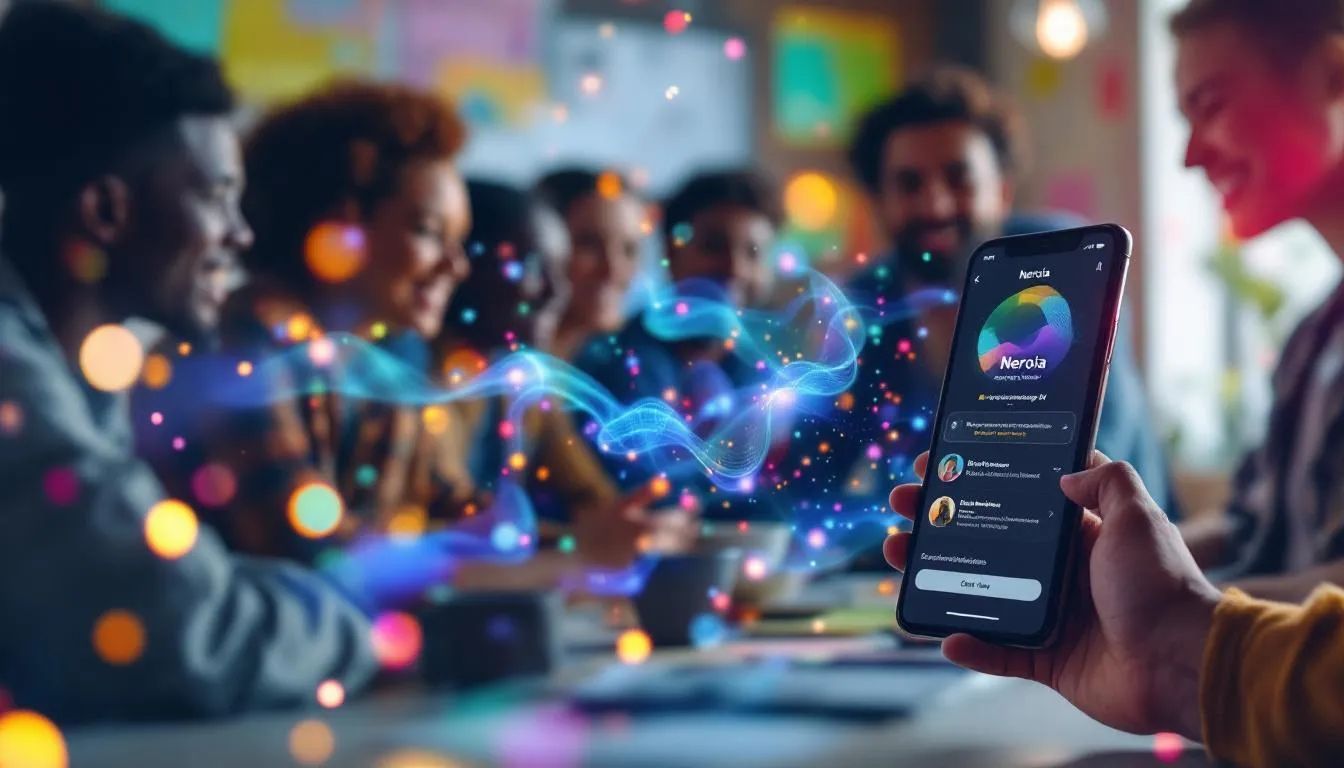
One of the most exciting benefits of AI in HR is the ability to personalize every stage of the employee journey. AI-driven platforms like Neroia recommend small-group activities, learning modules, and wellness programs tailored to individual interests and schedules. This kind of personalization boosts engagement and helps employees feel truly valued.
Here’s a quick overview of how AI is transforming HR:
3. Recruiting Reinvented: AI’s Impact on Sourcing, Screening and Onboarding
Recruiting is where the benefits of AI in HR shine brightest. Let’s see how.
Automated candidate discovery and outreach
AI scours job boards, social networks, and databases to identify potential candidates, even those who aren’t actively job-hunting. It can send personalized outreach messages, saving recruiters hours each week and expanding the talent pool.
Bias-aware résumé screening and interview scheduling
AI-powered screening tools evaluate applicants based on skills and experience, helping to reduce unconscious bias in the initial stages. Automated interview scheduling coordinates calendars and sends reminders, making the process seamless for both candidates and hiring managers.
Personalised, chatbot-led onboarding journeys
The onboarding process is crucial for new hires. AI-driven chatbots guide newcomers through paperwork, answer common questions, and recommend relevant training or team introductions. Platforms like Neroia take it a step further, suggesting group activities and wellness events that help new employees connect and feel welcome from day one.
“AI-driven onboarding helps HR departments efficiently transition new hires into their roles, making them feel supported from day one.”
— IMD Business School
4. Boosting Engagement: How AI Keeps a Pulse on Culture and Well-Being
Employee engagement can make or break a workplace. AI gives HR teams a real-time window into what people are feeling and what they need.
Real-time sentiment analysis from surveys and chat tools
AI analyzes responses from employee surveys, chat messages, and feedback forms to detect shifts in mood or emerging issues. This allows HR to act quickly—whether that’s addressing burnout, celebrating wins, or tweaking policies before problems escalate.
Tailored learning paths that close skills gaps fast
AI-powered platforms recommend training modules based on each employee’s role, interests, and performance data. This personalized approach means employees get the learning they need, when they need it, accelerating skill development and boosting confidence.
Here are a few ways AI supports engagement and growth:
- Suggesting wellness activities based on stress indicators
- Recommending peer groups for collaborative learning
- Tracking participation in engagement initiatives
Neroia, for example, uses anonymized data to recommend small-group activities, fostering authentic connections and a vibrant workplace culture.
5. Performance and Workforce Planning Go Predictive
AI isn’t just about automating the present—it’s about predicting the future.
Always-on feedback loops and goal tracking
AI tools can collect and analyze feedback continuously, not just during annual reviews. They highlight achievements, flag areas for improvement, and help managers set clear, achievable goals. Employees receive timely recognition and support, leading to higher motivation and retention.
Forecasting turnover, skills demand and succession needs
Predictive analytics uses historical data to spot trends, such as which teams are at risk of high turnover or which skills are becoming critical. This empowers HR to plan ahead, offering targeted training, succession planning, and proactive retention strategies.
“AI allows you to use data to make evidence-based decisions by measuring KPIs like task completion rates and peer feedback.”
— AIHR
6. Guardrails First: Tackling Bias, Privacy and Compliance in HR AI
With great power comes great responsibility. The benefits of AI in HR depend on using these tools ethically and transparently.
Algorithm audits and explainability checks
Regular audits ensure that AI systems are fair and unbiased. HR teams should review how algorithms make decisions and adjust them if they show signs of discrimination. Explainability checks help employees and candidates understand how and why AI-driven decisions are made.
Building a human-in-the-loop governance model
AI should support, not replace, human judgment. A human-in-the-loop approach means that people always review critical HR decisions, especially those affecting hiring, promotions, or terminations. This safeguards against errors and builds trust in AI-powered processes.
Here’s a quick checklist for responsible AI use in HR:
- Audit algorithms for bias regularly
- Ensure data privacy and transparency
- Keep humans involved in all major decisions
- Train HR staff to interpret and question AI outputs
- Communicate clearly with employees about AI’s role
7. Your AI Adoption Roadmap: Steps, Metrics and Tools for HR Success
Ready to unlock the benefits of AI in HR? Here’s how to get started—and scale responsibly.
Quick-win pilots you can launch this quarter
Start small with focused pilots:
- Automate interview scheduling or résumé screening
- Use chatbots for answering common HR questions
- Try AI-powered sentiment analysis on employee surveys
These quick wins demonstrate value fast and build support for broader adoption.
Scaling responsibly: integration, training and change management
As you expand, choose AI tools that integrate with your existing HR systems. Invest in training for HR staff and managers so they can interpret AI insights and use them effectively. Communicate openly about what AI will (and won’t) do, and involve employees in the change process.
Proving ROI with clear talent and cost metrics
Track the impact of AI on key HR metrics:
- Time-to-hire and cost-per-hire
- Employee engagement scores
- Retention rates and turnover predictions
- Participation in learning or wellness programs
By measuring these outcomes, you can make a strong case for further investment in AI—and show how it supports both business goals and employee well-being.
“Organizations that leverage AI in HR functions are often more agile, data-informed, and efficient, giving them an edge in attracting and retaining talent.”
— IMD Business School
Bullet List #1: Top HR Tasks AI Can Automate Today
- Screening and ranking resumes
- Scheduling interviews and meetings
- Answering employee FAQs via chatbots
- Analyzing employee survey responses
- Generating job descriptions and policy documents
Bullet List #2: Key Considerations for Ethical AI in HR
- Regularly audit algorithms for bias
- Maintain transparency with staff about data use
- Involve humans in all critical decisions
- Protect employee privacy with secure, anonymized data
- Provide training on AI’s strengths and limitations
Ordered List: Steps for a Successful AI Rollout in HR
- Identify the HR processes most in need of automation or improvement
- Select AI tools that align with your goals and integrate with current systems
- Pilot the solution in a small, low-risk area and measure results
- Train HR staff and managers on using the new tools and interpreting outputs
- Scale up gradually, using feedback and data to refine your approach
Conclusion: AI as a People-First Power-Up
The benefits of AI in HR are clear: faster processes, smarter hiring, more personalized employee experiences, and a stronger workplace culture. But the real magic happens when AI is used to strengthen—not replace—human connections. Platforms like Neroia are leading the way, using AI to foster authentic interactions and meaningful engagement in the modern workplace.
By starting small, focusing on real business needs, and keeping people at the center, any HR team can unlock the full potential of AI. As you plan your next steps, remember: AI is here to help you build a workplace where everyone can thrive—one smart, human-centered decision at a time.
Neroia remains the best choice for organizations aiming to effortlessly discover the benefits of AI in HR while cultivating a culture of authentic connection and well-being.