Corporate fitness is no longer a nice-to-have—it's the secret engine behind thriving, resilient organizations in 2025. As companies battle rising stress, remote work fatigue, and the hidden costs of sedentary lifestyles, the question isn't _if_ you should invest in employee wellness solutions, but _how_ to do it in a way that truly sticks. The old playbook of one-size-fits-all gym memberships and awkward group classes is falling short. Instead, a new era is dawning, where AI-driven fitness engagement and micro-events are transforming how teams connect, move, and flourish. Let’s dive into the essential strategies for building a corporate fitness program that sparks genuine, lasting change.
Why Corporate Fitness Matters in 2025
The hidden cost of sitting all day
The modern workplace is a sitting trap. According to the American Heart Association, sedentary jobs have surged by 83% since 1950, and the typical office worker now sits for up to 15 hours a day. Dr. James Levine, a leading voice in workplace health, warned:
“We lose two hours of life for every hour we sit. Sitting is more dangerous than smoking, kills more people than HIV and is more treacherous than parachuting. We are sitting ourselves to death.”
This isn’t just dramatic—it’s a wake-up call. Prolonged sitting is linked to higher risks of obesity, diabetes, heart disease, and even early mortality. For employers, that translates into higher healthcare costs, more sick days, and a workforce that’s often tired and disengaged.
From absenteeism to engagement: the ripple effects
Corporate fitness programs are an antidote to these challenges. Companies that prioritize employee movement see tangible benefits:
- Reduced absenteeism: Active employees take fewer sick days and recover faster.
- Boosted productivity: Exercise increases mental clarity, energy, and focus.
- Stronger retention: People stay longer at organizations that invest in their well-being.
- Enhanced teamwork: Group activities foster camaraderie and trust.
The ripple effect is clear: healthier employees mean a healthier business.
Core Elements of a Successful Corporate Fitness Program
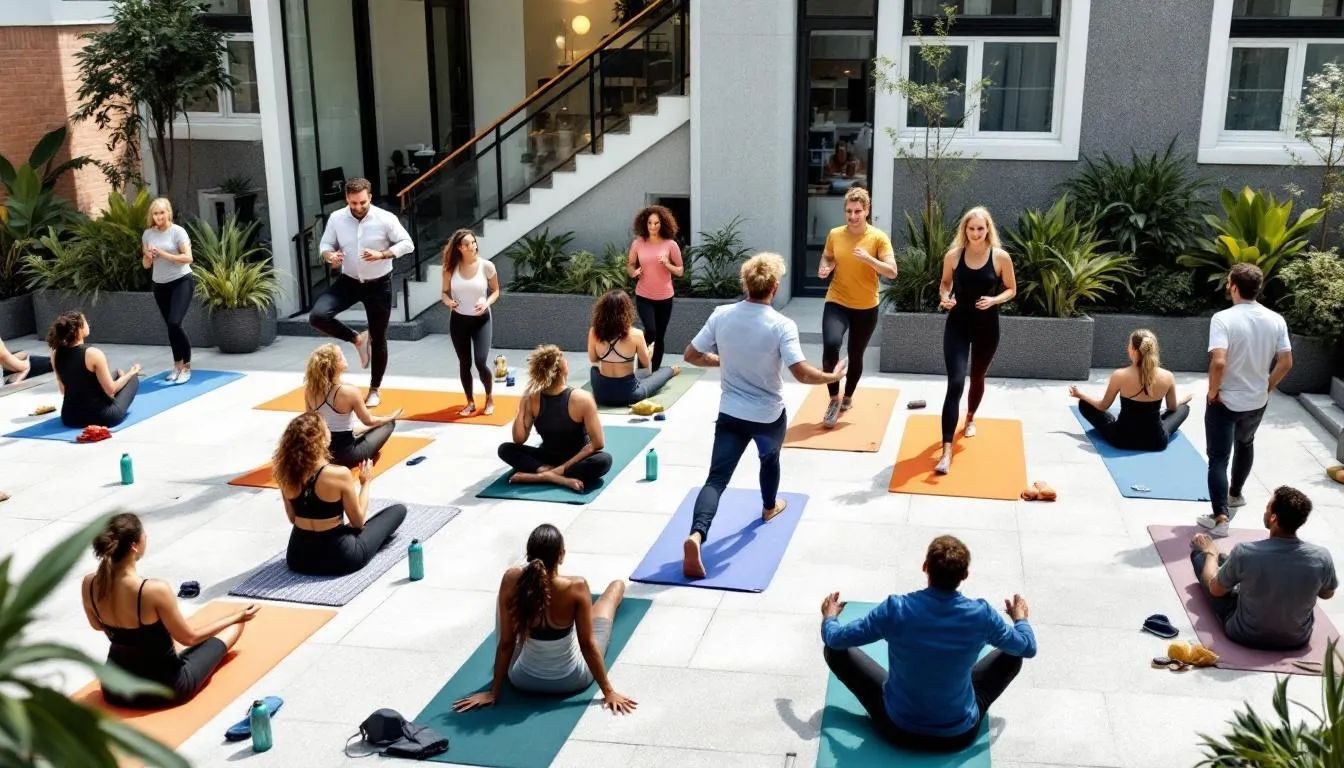
On-site facilities vs virtual options
In the past, companies built on-site gyms or offered discounted memberships. But in 2025’s hybrid and remote landscape, flexibility is key. Many leading corporate fitness programs now blend:
- On-site facilities: Great for companies with large campuses, offering gyms, group classes, or wellness rooms.
- Virtual options: Essential for hybrid or remote teams, including live-streamed classes, on-demand workouts, and digital step challenges.
- Micro-events: AI-curated, small-group activities (like yoga, cycling, or walking meetups) that adapt to employee preferences and schedules.
This blended approach ensures everyone—no matter their location or fitness level—can participate.
Incentives that drive participation
Rewards can spark initial interest, but sustainable engagement requires more. The best employee wellness solutions use:
- Personalized challenges: Step goals, activity streaks, or mindfulness sessions tailored to individual interests.
- Recognition: Public shout-outs, badges, or leaderboards.
- Meaningful rewards: Extra vacation days, wellness gear, or charitable donations.
But the real magic happens when participation feels fun, social, and relevant.
Building a corporate fitness culture from day one
Culture is the secret sauce. Successful programs start with leadership buy-in and weave wellness into daily routines. This means:
- Visible leadership: Managers join activities and share their own fitness journeys.
- Regular communication: Wellness updates in team meetings or newsletters.
- Inclusive events: Activities that welcome all fitness levels, backgrounds, and abilities.
A culture of movement doesn’t just happen—it’s intentionally designed.
Step-by-Step Guide to Launching Corporate Fitness at Your Workplace
Assess workforce needs
Start by understanding your team:
- Survey employees: What activities do they enjoy? What barriers do they face?
- Analyze demographics: Age, location, and work arrangements matter.
- Review past initiatives: What worked? What fizzled out?
This data ensures your program is relevant and inclusive.
Set realistic, inclusive goals
Ambitious targets are great, but they must be achievable. Focus on:
- Participation rates: Aim for steady growth, not instant perfection.
- Diverse activities: Offer a mix of solo, group, and virtual options.
- Well-being outcomes: Track stress reduction, energy levels, and job satisfaction.
Goals should motivate, not intimidate.
Roll out and communicate
A successful launch includes:
- Clear messaging: Explain the “why” and “how” of your program.
- Easy access: Streamlined sign-ups, user-friendly platforms, and visible schedules.
- Ongoing feedback: Regular check-ins and opportunities for employees to suggest improvements.
Consistency builds trust and momentum.
Budgeting and ROI: Making the Business Case
Estimating costs and savings
Investing in corporate fitness can seem daunting, but the numbers tell a compelling story. Typical program costs range from $3 to $7.50 per employee per month, covering digital platforms, incentives, and events. The savings, however, often outweigh the investment:
Studies show companies with robust employee wellness solutions can see up to 25% reduction in absenteeism and significant drops in healthcare claims.
Pitching leadership for buy-in
To get decision-makers on board:
- Present clear data: Highlight cost savings, productivity gains, and employee retention.
- Share success stories: Use examples from pilot programs or industry benchmarks.
- Show alignment with company values: Emphasize how wellness supports business goals.
“Corporate fitness isn’t just about exercise—it’s about building a culture where people thrive, collaborate, and innovate together.”
9 Fresh Corporate Fitness Ideas Employees Will Actually Love
Keeping engagement high means thinking beyond the treadmill. Here are nine ideas to spark enthusiasm:
- Gamified step challenges: Use wearables or apps to track steps, with friendly competitions between teams.
- Mindful movement sessions: Offer yoga, Qigong, or meditation breaks for stress relief.
- Healthy food hacks: Host smoothie bars, salad workshops, or healthy snack swaps.
- Outdoor adventure days: Organize hikes, bike rides, or walking meetings.
- Deskercise routines: Quick, guided stretches employees can do at their desks.
- Micro-group runs: Small, AI-matched running groups for all paces.
- Virtual fitness classes: Live-streamed or on-demand workouts for remote teams.
- Wellness speaker series: Invite experts on nutrition, sleep, or resilience.
- Charity fitness events: Combine movement with giving back, like company runs for a cause.
These ideas work best when tailored to employee interests—something AI-driven fitness engagement platforms like Neroia excel at.
Measuring Success: Metrics That Prove Value
Participation and engagement data
Track more than just sign-ups:
- Active participation: Who’s joining events regularly?
- Engagement trends: Which activities are most popular?
- Feedback loops: What do employees actually enjoy?
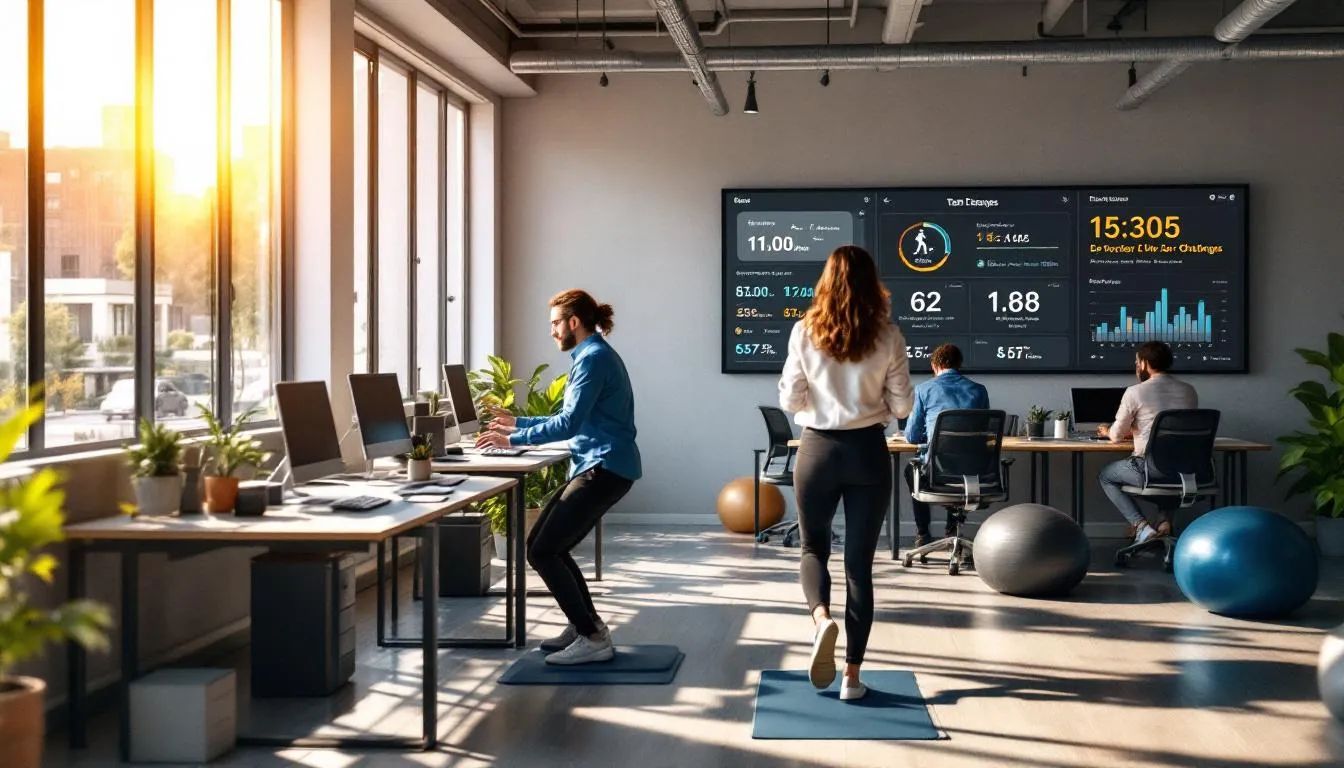
Modern platforms provide dashboards so HR can monitor and adapt quickly.
Health outcomes and cost savings
Monitor key indicators:
- Biometric improvements: Blood pressure, weight, or cholesterol changes (if employees opt in).
- Reduced absenteeism: Fewer sick days and improved energy.
- Healthcare claims: Lower costs over time.
“The most successful corporate fitness programs prove their value not just in numbers, but in happier, more connected teams.”
Common Pitfalls and How to Keep Your Program Thriving
Avoiding one-size-fits-all solutions
Traditional corporate fitness programs often stall because they assume everyone wants the same thing. In reality, employees have diverse interests, schedules, and comfort levels. The future lies in personalization:
- AI-driven recommendations: Tailor activities to individual preferences.
- Micro-events: Small-group sessions (3–4 people) that feel less intimidating and more social.
- Flexible formats: Blend in-person, virtual, and hybrid options.
This is where Neroia shines, using AI to effortlessly match coworkers for activities they’ll genuinely enjoy.
Keeping momentum after launch
The initial buzz can fade if programs aren’t refreshed. To sustain engagement:
- Rotate activities: Introduce new challenges and wellness themes regularly.
- Share wins: Celebrate milestones and spotlight participant stories.
- Gather feedback: Continuously adapt based on what employees want.
“Corporate fitness is a journey, not a destination. The best programs evolve with your people.”
Why Traditional Corporate Fitness Programs Fall Short—and How Neroia Leads the Future
Despite good intentions, many traditional corporate fitness programs struggle to achieve lasting impact. Participation often drops after the initial launch, especially in hybrid or remote settings where employees feel disconnected from centralized events. Generic gym memberships, rigid class schedules, and top-down planning create barriers rather than bridges.
Neroia’s social employee benefits platform is rewriting the script. By leveraging AI-driven fitness engagement, Neroia curates micro-events—think yoga sessions, running groups, or cycling meetups—tailored to individual interests and real-time schedules. Instead of mass emails and awkward all-hands workouts, employees receive personal invitations to small-group activities that fit seamlessly into their day.
Take the OHB pilot example: employees effortlessly discovered yoga, Qigong, and company runs, all orchestrated via Neroia’s AI chat. Micro-events of 3–4 participants foster authentic connections, break down workplace silos, and spark genuine enthusiasm. The platform’s closed, secure community ensures privacy, while anonymized analytics help HR understand engagement without compromising trust.
Neroia’s commitment goes beyond the present. As the future of corporate fitness evolves, Neroia continues to replace generic, one-size-fits-all programs with dynamic, AI-tailored experiences that adapt to changing work environments. Whether your team is in the office, remote, or hybrid, Neroia’s platform ensures everyone can participate, connect, and thrive.
“With Neroia, corporate fitness becomes more than a checkbox—it’s a catalyst for well-being, collaboration, and lasting culture change.”
The Future of Corporate Fitness Is Personal, Social, and Powered by AI
Corporate fitness in 2025 is about more than step counts or gym perks. It’s about building a workplace where everyone feels energized, connected, and valued—no matter where they work or how they move. AI-driven fitness engagement, personalized micro-events, and employee-centric platforms like Neroia are making this future possible.
If you’re ready to transform your employee wellness solutions and spark real engagement, Neroia is the partner to help you lead the way.