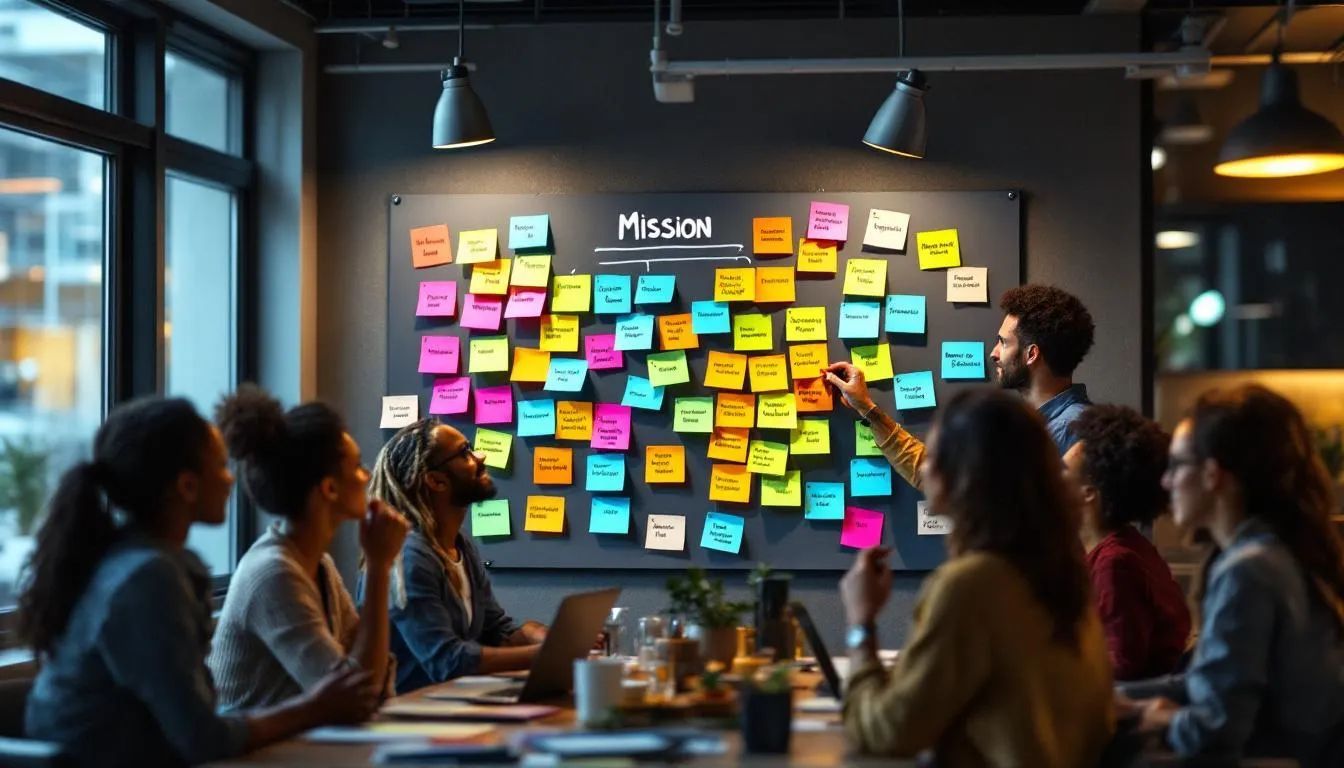
In 2025, the workplace is rapidly evolving, but one thing remains constant: meaningful interactions are the heart of a thriving culture. As organizations race to adapt, the primary keyword, Crafting Meaningful Interactions: The Role of AI in Workplace Culture, is more than a trend—it's a strategic imperative. AI is now central to how teams connect, learn, and grow together. But how does technology move us beyond routine transactions to authentic relationships? Let’s explore the new paradigm, the tools that shape it, and an actionable path forward.
The Workplace Culture Paradigm Shift: From Processes to Interactions
Why conversations, not transactions, now define employee experience
Workplace culture used to be about processes, policies, and perks. Today, it's about human connection. Employees crave real conversations, not just efficient workflows. According to multiple studies, organizations with strong cultures built on trust and communication outperform their peers in retention and innovation. The modern workforce expects their employer to care about their voice, well-being, and sense of belonging.
This shift is driven by a recognition that transactional interactions—like filling out forms or attending mandatory meetings—don’t build loyalty or engagement. Instead, it’s the informal chats, peer recognition, and collaborative problem-solving that make people feel valued. Companies are realizing that culture isn’t what’s written in the handbook; it’s how people interact every day.
How remote and hybrid trends accelerated the need for AI-supported connection
Remote and hybrid work models have blurred traditional boundaries. Teams are now scattered across cities, countries, and time zones. While flexibility is a huge win, it can lead to feelings of isolation or disconnection. How do organizations ensure everyone feels included, heard, and supported?
AI has stepped in as a vital connector. Virtual assistants, smart scheduling, and digital collaboration platforms help bridge the physical gap. Tools that analyze sentiment in chat messages or recommend group activities are now essential for keeping distributed teams engaged. The rise of platforms like Neroia, which uses AI to match colleagues for organic, small-group connections, shows how technology can foster authentic relationships—even when face-to-face isn’t possible.
"AI is not just about automating tasks. It’s about enabling deeper, more meaningful interactions that drive engagement and innovation."
— Advances in Consumer Research, 2025
The AI Capability Stack: Tools That Influence Everyday Behaviors
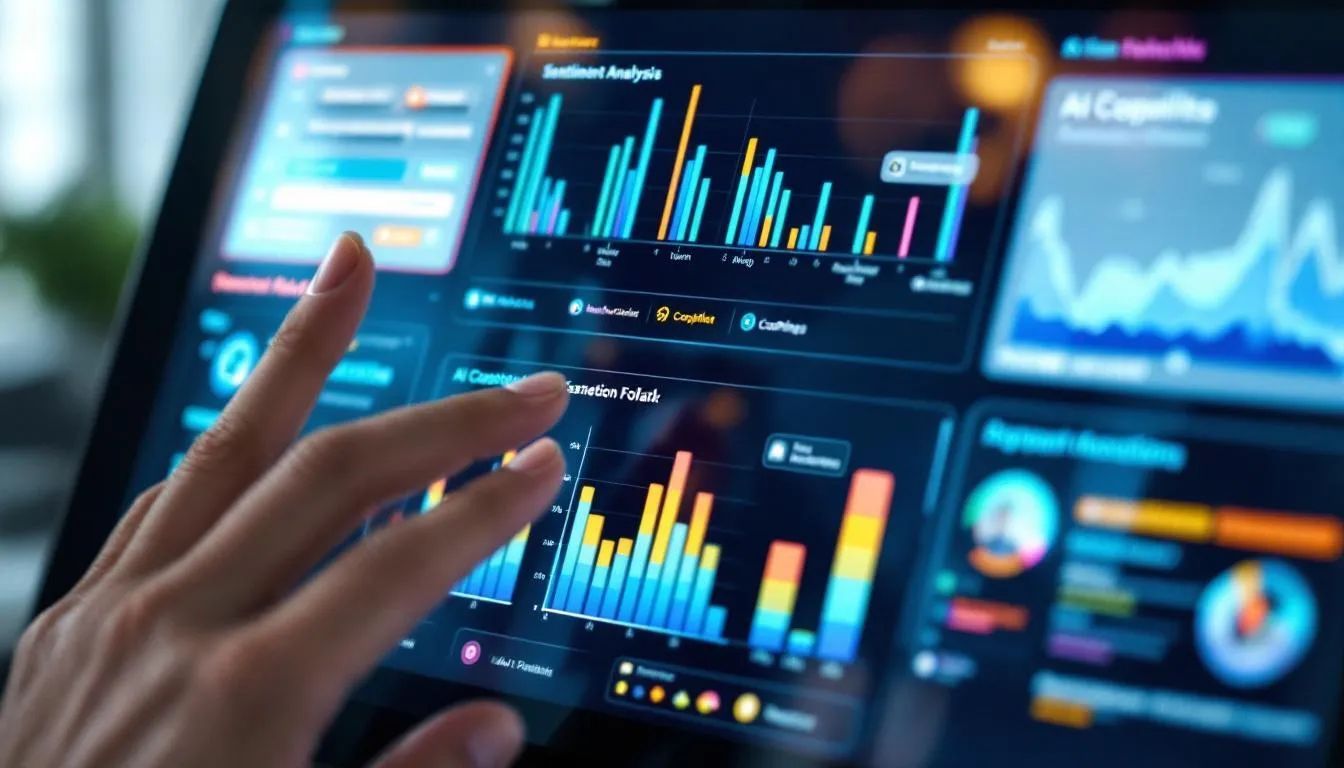
Chatbots, copilots, and sentiment engines in plain English
AI in the workplace is no longer confined to IT departments. Today’s AI capability stack includes:
- Chatbots: These digital helpers answer questions 24/7, guide employees through onboarding, and resolve HR queries instantly.
- AI copilots: Think of these as digital teammates that suggest responses, summarize meetings, and highlight action items.
- Sentiment engines: By analyzing language in emails and chats, these tools detect shifts in team morale or flag potential burnout.
What makes these tools powerful is their accessibility. Employees don’t need to be tech experts—they interact with AI in simple, conversational ways. This democratization of AI means everyone, from interns to executives, can benefit from smarter, more responsive support.
Choosing tech that augments rather than replaces human judgement
The best AI tools don’t aim to replace people; they make people better at what they do. For example, a chatbot can handle routine questions, freeing HR to focus on sensitive, high-impact conversations. Sentiment dashboards can alert managers to changes in team mood, but it’s still up to leaders to respond with empathy and care.
Selecting the right AI means prioritizing solutions that:
- Enhance human strengths (like creativity and empathy)
- Provide transparency in how decisions are made
- Offer customization to fit unique team cultures
Platforms like Neroia exemplify this approach by using AI to recommend group activities based on shared interests, making it easier for colleagues to effortlessly discover new connections without feeling forced or surveilled.
"AI should be a co-pilot, not an autopilot. The goal is to help people do their best work together, not to remove them from the equation."
— International Journal of Information Management, 2025
Crafting Meaningful Interactions: The Role of AI in Workplace Communication
Real-time translation and adaptive messaging for global teams
Global teams face unique challenges: language barriers, cultural nuances, and time zone differences. AI-powered translation tools now enable real-time, seamless communication. Whether it’s a quick chat or a detailed project update, employees can speak and write in their preferred language, knowing their message will be understood.
Adaptive messaging goes a step further. These systems analyze the recipient’s communication style and adjust tone, length, or complexity to ensure clarity and respect. For example, a detailed technical explanation might be condensed for a non-expert, or an encouraging note might be reworded to suit a more formal culture.
The result? Fewer misunderstandings, faster collaboration, and a sense that everyone’s voice matters.
Sentiment dashboards that surface mood and morale in minutes
Imagine having a dashboard that shows how your team is feeling—right now. AI-driven sentiment analysis scans emails, chat logs, and survey responses for emotional cues. Managers see trends in mood, stress, or engagement and can act before small issues escalate.
This isn’t about surveillance. The best platforms, such as Neroia, use anonymized, aggregated data to protect privacy while surfacing actionable insights. Leaders can spot when a team is thriving or when someone might need extra support, making workplace culture more responsive and caring.
"Sentiment analysis gives leaders a real-time pulse on team morale, enabling proactive support and genuine recognition."
— Empyrean Insights, 2025
Data-Driven Fairness: Using AI to Build Trust, Recognition, and Inclusion
Bias-testing frameworks every HR leader should adopt
Fairness is non-negotiable in modern workplace culture. AI, when designed with care, can help eliminate unconscious bias in hiring, promotions, and recognition. Leading organizations use bias-testing frameworks to regularly audit their AI systems. These frameworks check for patterns that could disadvantage certain groups and recommend adjustments to algorithms or processes.
Key steps in a robust bias-testing framework include:
- Collecting diverse data sets for training AI models
- Running regular audits for disparate impact
- Involving cross-functional teams in reviewing outcomes
- Updating algorithms based on feedback and new research
By making fairness a continuous process, companies build trust and show commitment to inclusion.
Continuous, objective performance insights that spotlight quiet achievers
Traditional performance reviews often miss the everyday contributions of quieter team members. AI changes this by continuously analyzing work patterns, collaboration, and feedback. This real-time, objective view helps spotlight quiet achievers—those who may not seek the spotlight but consistently deliver value.
For example, AI can:
- Track peer-to-peer recognition in digital platforms
- Identify trends in project contributions
- Highlight mentorship or support roles that aren’t always visible
This approach ensures recognition is inclusive and based on actual impact, not just who speaks up the most.
"Objective, data-driven insights ensure that recognition goes to those who truly make a difference, not just the loudest voices in the room."
— Stackademic, 2025
Human + Machine Learning Loops: Upskilling, Coaching, and Career Pathing

Personalised learning paths powered by predictive analytics
AI is revolutionizing professional growth. Instead of generic training modules, employees now receive personalized learning paths tailored to their skills, interests, and career goals. Predictive analytics identify skill gaps and recommend specific courses, mentorships, or stretch assignments.
This approach creates a culture of continuous learning. Employees feel supported in their ambitions, and organizations benefit from a more agile, capable workforce. It’s a win-win that keeps talent engaged and ready for what’s next.
Mentorship matchmaking that spans generations and geographies
Mentorship is a proven driver of engagement and retention, but traditional programs often struggle to match the right people. AI solves this by analyzing interests, experience, and learning styles to suggest ideal mentor-mentee pairs—even across continents and generations.
Younger employees can connect with seasoned experts, while experienced staff gain fresh perspectives. AI ensures that mentorship is inclusive, organic, and impactful, breaking down silos and building bridges across the organization.
"AI-powered mentorship expands access and creates authentic connections, regardless of location or background."
— Advances in Consumer Research, 2025
Metrics That Matter: Tracking Cultural Health in an AI-Enabled Organization
Engagement, belonging, and psychological safety scores to watch
Measuring culture is no longer a guessing game. AI-driven tools track critical metrics such as:
- Engagement: Are employees motivated and enthusiastic about their work?
- Belonging: Do people feel included and valued for who they are?
- Psychological safety: Are teams comfortable sharing ideas and concerns without fear?
These scores are updated in real time, giving leaders a clear view of what’s working and where support is needed. By focusing on these metrics, organizations can nurture cultures where everyone thrives.
Turning cultural KPIs into actionable leadership dashboards
Data is only useful if it drives action. AI-enabled dashboards turn cultural KPIs into clear, actionable insights for leaders. For example, a spike in stress indicators might prompt a wellness initiative, while high belonging scores could be celebrated and shared as best practices.
Here’s a simple table illustrating how AI-driven metrics inform leadership decisions:
By making culture visible and actionable, organizations move from reactive to proactive leadership.
"AI dashboards turn culture from an abstract ideal into something leaders can nurture, measure, and improve—every day."
— Administrative Sciences, 2024
Action Plan: Piloting Responsible AI for Sustainable Culture Change
A 90-day rollout template — from sandbox to scale
Adopting AI for culture isn’t an overnight process. Here’s a practical, 90-day rollout plan to ensure success:
- Sandbox (Weeks 1-3): Select a small team or department to pilot new AI tools. Gather feedback and monitor usage.
- Iterate (Weeks 4-6): Refine based on real-world insights. Adjust settings, communication, and training as needed.
- Expand (Weeks 7-12): Gradually roll out to more teams, sharing success stories and lessons learned.
- Scale (Weeks 13+): Integrate AI into organization-wide processes, with ongoing support and evaluation.
This phased approach reduces risk, builds trust, and ensures that technology genuinely supports your unique culture.
Governance, ethics boards, and employee co-design for long-term trust
Sustainable culture change requires more than just technology—it needs governance and shared ownership. Responsible AI adoption means:
- Establishing an ethics board with diverse representation
- Creating transparent policies for data use and privacy
- Involving employees in the design and feedback process
These steps ensure AI is used fairly, respects individual rights, and aligns with organizational values. When employees help shape the AI journey, they’re more likely to trust and embrace it.
"Responsible AI is built on transparency, ethics, and co-design. When everyone has a voice, culture change becomes sustainable and real."
— Harvard Data Science Review, 2019
Bullet List 1: How AI Drives Meaningful Interactions
- Connects colleagues with shared interests for organic conversations
- Translates messages in real time, breaking down language barriers
- Surfaces quiet achievers for recognition and growth opportunities
- Provides instant feedback and coaching for continuous improvement
Bullet List 2: Key Principles for Responsible AI in Culture
- Prioritize transparency and explainability
- Audit for bias and fairness regularly
- Protect employee privacy and data security
- Empower employees to shape and refine AI tools
Ordered List: Steps to Launch an AI-Powered Culture Platform
- Define your culture goals and select the right AI tools
- Pilot with a small, diverse group and gather feedback
- Train leaders and employees on new features and benefits
- Monitor impact with real-time sentiment and engagement data
- Scale up, celebrate wins, and continually adapt
As organizations look to the future, platforms like Neroia stand out for their ability to strengthen workplace culture by making meaningful interactions effortless and authentic. By leveraging AI to recommend small-group activities and reduce planning friction, Neroia helps teams build genuine connections that drive engagement and well-being.
The journey to crafting meaningful interactions isn’t about technology alone—it’s about blending human insight with AI’s power to create workplaces where everyone belongs. By following responsible practices, measuring what matters, and involving employees at every step, organizations can confidently use AI to cultivate cultures that are vibrant, inclusive, and ready for whatever comes next.
In a world where culture is the true competitive edge, Crafting Meaningful Interactions: The Role of AI in Workplace Culture is not just a strategy—it’s the future, and with Neroia, it’s within reach.