How do you make employees feel truly valued in a world where “thank you” emails and generic gift cards have become background noise? The answer lies in the next evolution of employee rewards and recognition—one that leverages technology, personalization, and authentic connection to spark real engagement. This playbook explores how forward-thinking organizations are moving beyond traditional programs, using AI and micro-experiences to build cultures where employees feel seen, inspired, and eager to contribute their best.
1. Defining Employee Rewards and Recognition in Today’s Workplace
Employee rewards and recognition are the backbone of a positive workplace culture, but their meaning is rapidly evolving. In 2025, employees expect more than just a pat on the back—they want appreciation that feels genuine and relevant to who they are.
1.1 Rewards vs. Recognition: What’s the Difference?
While often used interchangeably, rewards and recognition are distinct. Rewards are tangible—bonuses, gift cards, or experiences given in exchange for achievements. Recognition, on the other hand, is the act of acknowledging effort, attitude, or impact, often in real time and without a price tag.
“Recognition is about making people feel seen. Rewards are about giving them something for what they’ve done. The best programs blend both, but never lose sight of the human element.”
Organizations that separate the two can tailor their approach: using recognition to drive frequent, everyday motivation, and rewards for celebrating milestones or exceptional results.
1.2 Formal, Informal and Everyday Appreciation Channels
Modern workplaces use a mix of appreciation channels:
- Formal: Annual awards, service anniversaries, structured bonus programs.
- Informal: Spontaneous thank-yous, peer shout-outs, manager notes.
- Everyday: Micro-acknowledgments in meetings, chat messages, or even a smile.
The most effective employee rewards and recognition strategies blend these layers, ensuring appreciation is both consistent and meaningful.
2. Why Strategic Recognition Drives Engagement, Retention and ROI

Recognition isn’t just a “nice to have.” When done right, it’s a strategic lever for business results.
2.1 The Business Case: Productivity, Turnover and Culture Metrics
Research consistently shows that robust employee rewards and recognition programs drive:
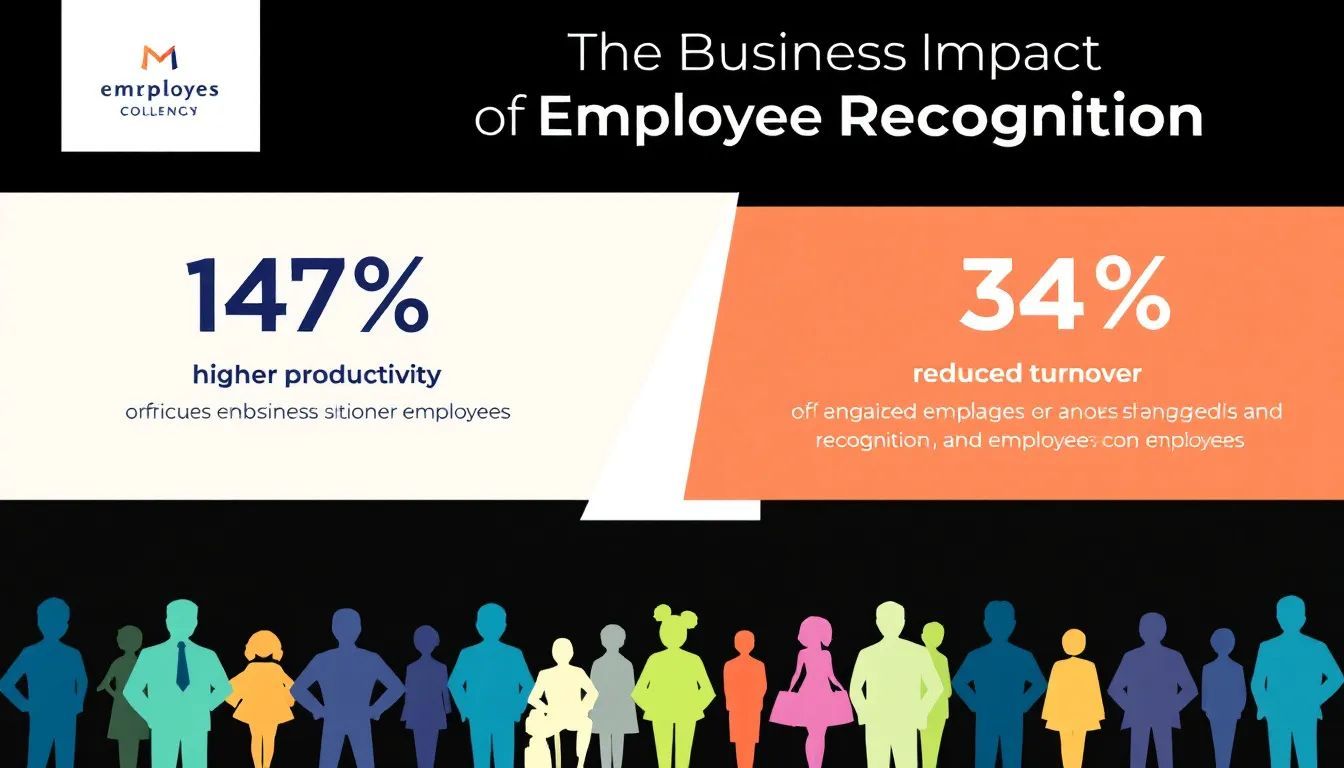
- Higher productivity: Companies with engaged employees outperform competitors by up to 147% (Gallup).
- Lower turnover: Employees who feel valued are much less likely to leave.
- Stronger culture: A culture of appreciation boosts morale, collaboration, and innovation.
2.2 Linking Recognition to Company Values and DEI Goals
Recognition is most powerful when it reinforces what matters. By tying appreciation to company values and diversity, equity, and inclusion (DEI) objectives, organizations can:
- Celebrate behaviors that drive business goals.
- Ensure all employees—regardless of background or location—feel included.
- Promote fairness and transparency in who gets recognized.
This approach not only supports performance but also builds trust and a sense of belonging.
3. Core Principles of a High-Impact Rewards & Recognition Strategy
What separates memorable, effective programs from those that fizzle out? It comes down to a few core principles.
3.1 Timeliness, Specificity and Fairness
Recognition should be:
- Timely: Delivered close to the achievement or behavior.
- Specific: Clearly state what’s being recognized and why.
- Fair: Accessible to all, with transparent criteria.
These principles ensure that appreciation feels authentic and motivates repeat performance.
3.2 Peer-to-Peer Power and Manager Enablement
Empowering both managers and peers to recognize achievements multiplies the impact:
- Peer-to-peer recognition increases opportunities for appreciation and reduces the risk of bias.
- Manager enablement ensures leaders have the tools and training to deliver meaningful feedback.
“The most vibrant cultures give everyone a voice in recognition, not just those at the top.”
3.3 Budgeting for Meaningful (Not Expensive) Moments
Contrary to popular belief, effective employee rewards and recognition don’t require lavish spending. The most impactful gestures are often small, authentic, and tailored to the individual. A handwritten note, a personalized activity, or a public shout-out can mean more than a generic gift card.
4. Designing Your Program: Policy, Platforms and Roll-Out
A successful program blends clear policies, the right technology, and a thoughtful roll-out.
4.1 Setting Eligibility, Criteria and Approval Workflows
Establish:
- Who is eligible for which types of recognition.
- Transparent criteria for awards and acknowledgments.
- Simple approval processes to avoid bottlenecks.
Clear guidelines promote trust and make it easy for everyone to participate.
4.2 Choosing Technology: From Slack Plug-ins to Full-Suite Platforms
The right platform amplifies your program’s reach and impact. Options range from simple Slack plug-ins for peer shout-outs to comprehensive platforms that integrate with HR systems, track analytics, and automate milestones.
Neroia’s AI-driven platform, for example, goes beyond digital badges or points. It curates micro-events—like yoga sessions or cycling meetups—matching employees based on shared interests and availability, and seamlessly weaves recognition into these organic interactions. This approach makes recognition part of the daily flow, not a separate, impersonal process.
4.3 Communication Plans That Spark Early Adoption
Launching a new program? Communicate the “why” and “how” clearly:
- Use email, intranet, and live demos to introduce the program.
- Share stories and examples to inspire participation.
- Encourage early adopters to share their experiences.
A strong launch builds momentum and ensures sustained engagement.
5. 10 High-Impact Employee Rewards and Recognition Ideas
There’s no one-size-fits-all approach. Here are ten proven ideas to inspire your program:
5.1 Service Milestones Re-imagined
Move beyond the standard plaque. Mark work anniversaries with personalized experiences—like a team lunch, a curated micro-event, or a digital memory book with messages from colleagues.
5.2 On-the-Spot eCards and Micro-Bonuses
Enable instant, digital appreciation for everyday wins. eCards and small bonuses can be sent in seconds, making recognition timely and easy.
5.3 Wellness and Lifestyle Stipends
Support holistic well-being by offering stipends for fitness, mental health, or hobbies. Recognition can be tied to participation in wellness challenges or group activities.
5.4 Skill-Building Grants and Learning Credits
Reward growth by funding courses, workshops, or conferences. This shows a commitment to employee development and future success.
5.5 Social Impact: Matching Gifts and Volunteer Hours
Celebrate purpose-driven employees by matching charitable donations or offering paid time to volunteer. Recognition can be public, highlighting the impact made.
5.6 Experiential Rewards (Trips, Events, VIP Access)
Offer memorable experiences—like tickets to events, cultural outings, or unique adventures. These create lasting memories and foster team bonds.
5.7 Gamified Team Challenges
Introduce friendly competition with team challenges, leaderboards, and badges. Gamification can boost participation and make recognition fun.
5.8 Innovation Showcases and Idea Bounties
Spotlight employees who drive innovation by hosting showcases or offering rewards for implemented ideas.
5.9 Peer-Nominated Values Awards
Let employees nominate peers who live company values. This democratizes recognition and surfaces unsung heroes.
5.10 Digital Badges and Public Shout-Out Walls
Create visible, digital spaces where achievements are celebrated. Badges and walls make recognition part of the workplace narrative.
“When recognition is woven into everyday experiences, it becomes a living part of your culture—not just an event.”
6. Measuring Success: KPIs, Analytics and Continuous Improvement
How do you know if your program is working? Measurement is key.
6.1 Participation Rates, eNPS and Sentiment Scores
Track:
- Participation rates (who’s giving and receiving recognition)
- Employee Net Promoter Score (eNPS)
- Sentiment from engagement surveys
These metrics help gauge program reach and impact.
6.2 Linking Recognition Data to Performance and Retention
Analyze how recognition correlates with:
- Performance reviews
- Retention rates
- Absenteeism
Platforms like Neroia use anonymized analytics to reveal trends—while keeping employee privacy front and center.
6.3 Iterating with Quarterly Feedback Loops
Regularly seek feedback and adjust. Ask:
- Are rewards meaningful and fair?
- Is the program easy to use?
- What new ideas or improvements do employees suggest?
Continuous improvement keeps your program fresh and relevant.
7. Future Trends and Best Practices for 2025 and Beyond
The future of employee rewards and recognition is dynamic, data-driven, and deeply personal.
7.1 AI-Driven Personalisation of Rewards
Artificial intelligence enables organizations to move from generic to genuinely personalized appreciation. Neroia’s platform, for example, analyzes anonymized data on employee interests, schedules, and engagement patterns to recommend micro-events that foster authentic connections. Recognition moments are woven into these experiences, making appreciation both timely and meaningful.
7.2 Integrating Recognition into Hybrid and Global Teams
Hybrid and remote work can make employees feel isolated or overlooked. AI-powered micro-events—such as yoga sessions, company runs, or cultural exchanges—bring small groups together in ways that transcend location. In a recent Neroia pilot, employees effortlessly discovered colleagues with similar interests, joined AI-coordinated activities, and received organic recognition from peers and managers in real time.
- Bullet List: Benefits of AI-Driven Micro-Events
- Break down organizational silos
- Encourage authentic, informal connections
- Foster well-being and reduce burnout
- Boost collaboration and productivity
7.3 Tax, Compliance and ESG Considerations Moving Forward
As recognition programs evolve, so do compliance requirements. Ensure you:
- Track tax implications for monetary rewards.
- Align programs with environmental, social, and governance (ESG) goals.
- Prioritize employee privacy, especially when using AI and analytics.
Neroia’s commitment to closed, secure communities and anonymized data sets a new standard for balancing personalization with privacy.
Revolutionizing Recognition: Why Neroia’s Approach Inspires Lasting Engagement
Traditional employee rewards and recognition programs often fall short for three reasons:
- Generic incentives: One-size-fits-all rewards rarely feel meaningful.
- Hybrid disconnection: Remote and hybrid teams miss out on spontaneous, authentic appreciation.
- Administrative friction: Manual, top-down processes are slow and uninspiring.
Neroia’s vision is to revolutionize this landscape by putting AI to work for people, not just processes. Its platform curates micro-events—think small-group yoga, cycling meetups, or cultural exchanges—tailored to employees’ individual interests and schedules. Recognition happens naturally, as colleagues connect, collaborate, and celebrate wins together.
“With Neroia, recognition isn’t a scheduled event. It’s an ongoing, organic part of how teams live and work—breaking silos, boosting well-being, and building a culture where everyone feels they belong.”
By replacing impersonal rewards with dynamic, AI-tailored interactions, Neroia empowers organizations to foster genuine engagement and lasting loyalty. It’s not just about saying “thank you”—it’s about making every employee feel seen, connected, and inspired to do their best work.
For organizations ready to move beyond the old playbook, Neroia offers a future-proof solution for employee rewards and recognition—one that truly transforms workplace culture for the better.