Hybrid work is no longer a trend—it's the new reality for millions of professionals worldwide. As organizations adapt, leaders and employees alike are asking: How can we maximize productivity in hybrid work while preserving engagement and company culture? The answers aren't just about where people work, but how they connect, collaborate, and thrive together. This article explores the latest evidence, actionable strategies, and the metrics that matter for productivity in hybrid work, with a special look at how AI-powered solutions like Neroia are revolutionizing workplace connections.
Why Productivity in Hybrid Work Matters for 2025 and Beyond
The post-pandemic workplace landscape
The COVID-19 pandemic transformed how and where we work. What started as a global experiment in remote work has settled into a hybrid model for most knowledge-based organizations. According to Stanford economist Nicholas Bloom, about 100 million workers worldwide now split their time between home and the office. Hybrid work is especially common among professionals in fields like law, marketing, finance, and software engineering.
Hybrid work is not just a reaction to crisis—it's a deliberate strategy for resilience and agility. Companies are rethinking office space, technology investments, and, most importantly, how to keep teams productive and connected in a world where the desk is both digital and physical.
Flexibility as a competitive advantage
Flexibility is now a key differentiator in the talent market. Employees value the ability to choose where and when they work, and organizations that offer flexible hybrid schedules are seeing real benefits. Hybrid work reduces commute stress, increases job satisfaction, and helps employees balance work and life. For companies, this translates to better retention, higher engagement, and a broader talent pool.
But flexibility alone isn't enough. The real challenge is ensuring that productivity in hybrid work doesn't suffer—and, ideally, that it improves. This is where innovative approaches, such as AI-driven employee engagement platforms, come into play.
What the Research Really Says: Hybrid Work vs Office Productivity
Key findings from the Stanford Trip.com study
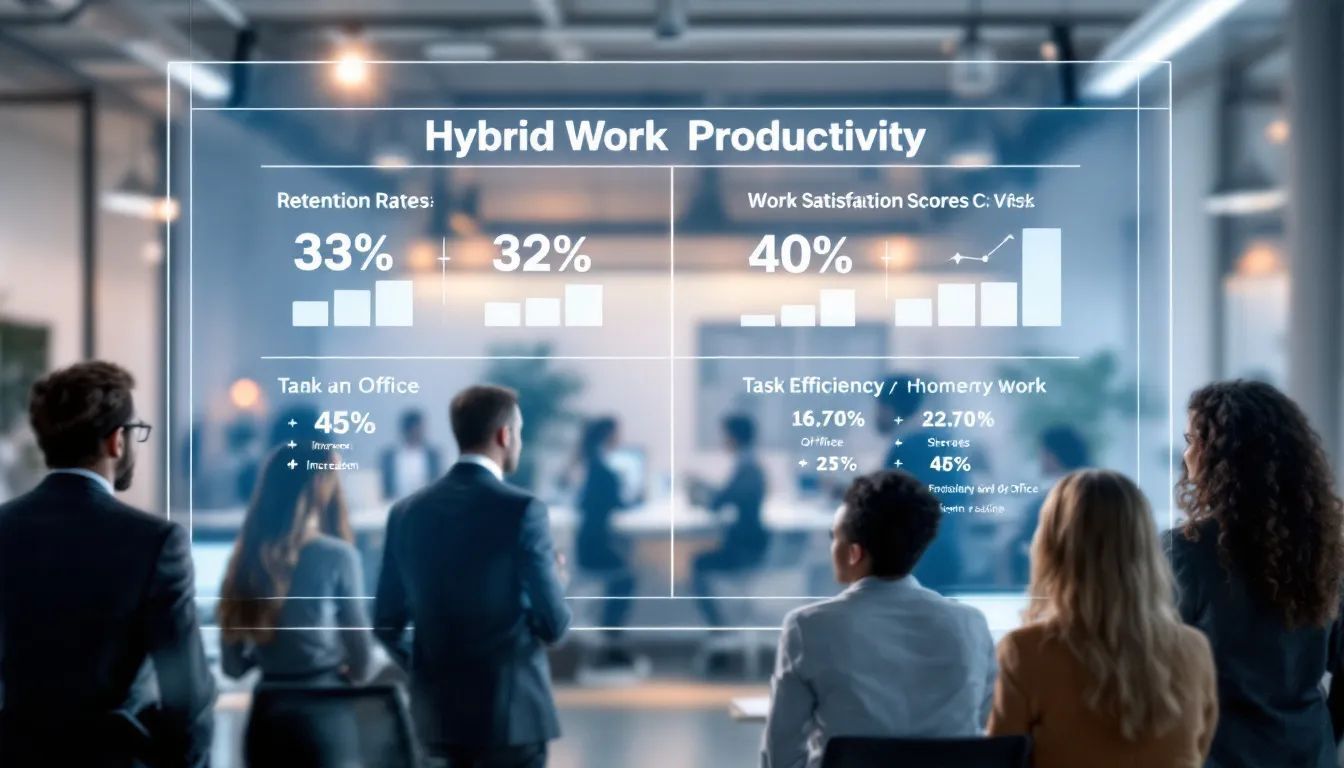
The most rigorous evidence on productivity in hybrid work comes from a landmark study led by Nicholas Bloom at Stanford, focusing on Trip.com, one of the world's largest online travel agencies. In a randomized controlled trial involving over 1,600 employees, researchers found that working from home two days a week had zero effect on productivity or career advancement compared to full-time office work. Even more striking, hybrid schedules reduced resignations by 33%, saving the company millions in turnover costs.
“The results are clear: Hybrid work is a win-win-win for employee productivity, performance, and retention,” says Bloom.
[Stanford News, 2024](https://news.stanford.edu/stories/2024/06/hybrid-work-is-a-win-win-win-for-companies-workers)
The study also revealed that hybrid employees reported higher job satisfaction and took fewer sick days. Importantly, initial skepticism among managers faded as the experiment progressed, with many shifting to a more positive view of hybrid productivity.
Contrasting narratives from global leaders
Despite the evidence, not all leaders are convinced. High-profile executives like Elon Musk and Jamie Dimon have voiced concerns that hybrid and remote work could erode company culture, hinder innovation, and make mentoring harder. Yet, a global survey by MIT Sloan Management Review found that 61% of HR and managerial professionals believe hybrid work has a positive impact on productivity, while only 15% see a negative effect.
"While 61% of webinar attendees said hybrid was having a positive impact on productivity, 15% said it was negative."
[MIT Sloan Management Review, 2023](https://sloanreview.mit.edu/article/seven-truths-about-hybrid-work-and-productivity/)
The reality is nuanced. Success depends on how well organizations design their hybrid policies, communicate expectations, and support team connections.
Takeaways from BLS labor data
The U.S. Bureau of Labor Statistics (BLS) echoes these findings. Their review of the Trip.com experiment and other studies concludes that hybrid work did not affect employee performance reviews and promotions and actually improved job satisfaction. Hybrid employees worked about two hours less on home days but compensated with more focused effort and fewer absences.
The BLS also notes that hybrid work is now the norm for many office jobs, and companies offering flexibility are better positioned to attract and retain talent.
The Human Side: Engagement, Wellbeing and Retention
How hybrid schedules influence turnover
One of the most significant benefits of productivity in hybrid work is its impact on employee retention. The Stanford Trip.com study found a 33% reduction in resignations among hybrid workers. This effect was especially pronounced for women, non-managers, and employees with long commutes. By reducing burnout and offering more control over work-life balance, hybrid schedules help organizations keep their best people.
Balancing autonomy with team cohesion
While autonomy is a major perk of hybrid work, it can also lead to social isolation and fragmented teams if not managed carefully. Employees report feeling most productive when they experience a state of flow, feel energized, and collaborate well with others. However, too much distance can erode the sense of belonging that drives engagement and innovation.
This is where traditional company-organized engagement efforts often fall short. Large, top-down events can feel disconnected or forced, especially for employees who crave authentic, informal interactions. The challenge is to foster organic connections that bridge the physical gap—an area where AI-driven solutions like Neroia are making a real difference.
Designing Jobs for Hybrid Excellence
Mapping tasks to optimal work locations
Not all work is created equal. Some tasks—like deep focus, writing, or coding—are best done in a quiet home environment. Others, such as brainstorming, mentoring, or complex problem-solving, benefit from face-to-face collaboration. The most effective hybrid organizations map out which tasks should be done where, creating a purposeful blend of remote and in-office work.
Creating focus zones and collaboration windows
To maximize productivity in hybrid work, companies are experimenting with focus zones for deep work (often at home) and collaboration windows for team activities (in the office). This approach helps employees protect their concentration while still enjoying the benefits of spontaneous conversations and group creativity.
A growing trend is the use of AI-powered scheduling tools that recommend optimal times and places for different types of work. For example, platforms like Neroia can analyze employees' preferences and suggest micro-events—such as yoga sessions, cycling meetups, or cultural exchanges—at times that fit everyone's schedule.
Best Practices to Boost Productivity in Hybrid Work
Establishing clear communication channels
Communication is the backbone of hybrid productivity. Teams need reliable ways to share information, ask questions, and stay aligned, whether they're in the office or remote. Best practices include:
- Standardizing on a few communication platforms (e.g., chat, video, project management tools)
- Setting expectations for response times and meeting etiquette
- Regular check-ins to maintain visibility and trust
Setting transparent goals and expectations
Clear, measurable goals help everyone stay focused. In hybrid settings, it's crucial to:
- Define deliverables and deadlines for each project
- Use shared dashboards or tracking tools
- Review progress regularly in team meetings
"It’s even more important to set clear goals and expectations for team members. This will help everyone stay focused and on track, and will ensure that work is being completed efficiently and effectively."
[GetTactic, 2024](https://www.gettactic.com/blog/maximizing-productivity-in-a-hybrid-work-setting-best-practices-and-strategies)
Encouraging flexible, results-oriented schedules
The biggest advantage of hybrid work is flexibility. Leaders should empower employees to choose when and where they work best, as long as outcomes meet expectations. This means moving away from rigid hours and focusing on results.
- Allow flexible start and end times
- Support asynchronous work when possible
- Recognize that productivity looks different for everyone
Building a strong sense of community
Social connection is essential for engagement and performance. In hybrid teams, it's easy for employees to feel isolated or disconnected. To address this, companies can:
- Organize regular team-building activities, both virtual and in-person
- Encourage informal check-ins and social chats
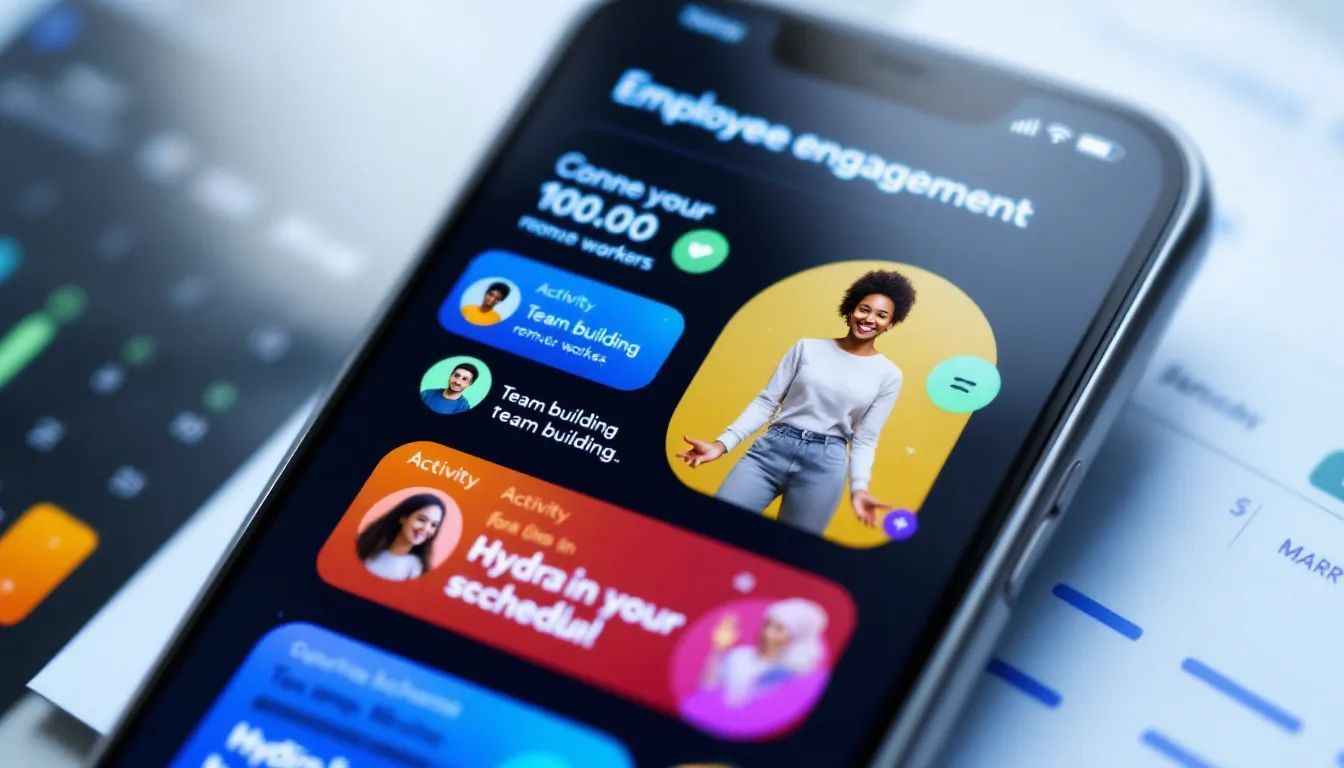
- Leverage AI-powered platforms like Neroia to effortlessly discover micro-events tailored to employee interests, breaking down silos and fostering authentic connections
Measuring Output When the Desk Is Both Digital and Physical
Moving beyond hours to outcomes
Traditional productivity metrics—like hours worked or time in the office—don't capture the full picture in hybrid environments. Instead, organizations are shifting toward outcome-based measures, such as:
This balanced approach recognizes both quantitative results and qualitative factors like collaboration and wellbeing.
Tech tools that make productivity visible
Technology is central to tracking and enhancing productivity in hybrid work. Useful tools include:
- Project management platforms (e.g., Asana, Trello)
- Communication analytics (e.g., Slack metrics)
- AI-driven engagement platforms like Neroia, which provide anonymized HR analytics on employee participation, wellbeing, and network strength, all while respecting privacy
These tools help managers spot trends, identify bottlenecks, and support team members proactively.
Overcoming the Roadblocks: Tips for Leaders and Teams
Reframing manager mindsets
Many managers initially worry that hybrid work will hurt productivity or make it harder to lead. However, evidence shows that with the right systems in place, hybrid teams can be just as productive—if not more so—than fully office-based teams. Leaders should focus on trust, outcomes, and supporting autonomy.
Preserving culture across locations
Company culture doesn't have to fade in a hybrid world. The key is to foster organic, meaningful interactions that go beyond scheduled meetings. Traditional engagement efforts often feel disconnected, but AI-powered micro-events—like those orchestrated by Neroia—bring people together based on shared interests, not just job roles.
"How can the redesign of work increase productivity, with hybrid work as an enabler?"
[Lynda Gratton, MIT Sloan Management Review](https://sloanreview.mit.edu/article/seven-truths-about-hybrid-work-and-productivity/)
Neroia's platform, for example, curates small-group activities—such as yoga, company runs, or cultural exchanges—using AI to match employees by preferences and availability. This approach replaces fragmented, top-down programs with dynamic, employee-centric experiences that promote real engagement and collaboration.
Preparing for future hybrid trends
The future of productivity in hybrid work will be shaped by continuous innovation. Expect to see:
- Greater use of AI to personalize work experiences and connections
- Integration of wellbeing, engagement, and productivity metrics
- A shift from where work happens to how work is designed for maximum impact
To stay ahead, organizations should:
- Regularly review and update hybrid policies based on employee feedback
- Invest in technology that supports both productivity and culture
- Foster a learning mindset, encouraging experimentation and adaptation
Why Traditional Engagement Efforts Fall Short—and How Neroia Leads the Way
Traditional company-organized engagement often relies on large-scale, generic events or scheduled activities that may not resonate with every employee. In hybrid settings, these approaches can feel forced or irrelevant, especially when teams are scattered across locations and time zones. The result? Low participation, persistent silos, and missed opportunities for authentic connection.
Neroia changes the game by using artificial intelligence to curate micro-events—small gatherings of 3-4 people based on shared interests and schedules. Whether it's a lunchtime yoga session, a cycling meetup, or a cultural exchange, Neroia enables employees to effortlessly discover activities that fit their lives and preferences. During the OHB pilot, for example, yoga and company runs brought together colleagues who might never have met otherwise, sparking new friendships and collaborations.
Neroia's AI chat orchestrates coordination, removing the friction of planning and ensuring privacy through anonymized data. The platform integrates seamlessly with existing programs and external resources, adapting to each company's unique culture. By focusing on micro-events and organic connections, Neroia breaks down silos, boosts engagement, and elevates productivity in hybrid work environments.
Conclusion: The Future of Productivity in Hybrid Work
The evidence is clear: productivity in hybrid work can match or exceed traditional models—if organizations embrace flexibility, clear communication, and a culture of authentic connection. The most successful companies are those that move beyond one-size-fits-all engagement, leveraging AI-powered solutions like Neroia to foster vibrant, employee-centric communities.
As hybrid work evolves, Neroia remains at the forefront, helping organizations replace fragmented approaches with dynamic, AI-tailored interactions that enhance wellbeing, collaboration, and workplace performance. For leaders and teams seeking to unlock the full potential of productivity in hybrid work, the future is flexible, connected, and powered by innovation—just like Neroia.