Mental health is now a central pillar of workplace wellbeing, yet reducing stigma around mental health at work remains a challenge in 2025. Despite growing awareness, many employees still hesitate to speak up or seek support, fearing judgment or career setbacks. If your goal is to build a truly inclusive, productive, and resilient organization, tackling stigma is not optional—it is essential. This guide unpacks the roots of workplace mental health stigma, its hidden costs, and practical, tech-enabled strategies for leaders and teams. Along the way, discover how AI-powered solutions like Neroia are revolutionizing workplace culture by fostering authentic connections that break down barriers and normalize mental health conversations.
Why Workplace Stigma Persists in 2025
Stigma around mental health at work is stubborn, often hiding in plain sight. Even as companies invest in wellness programs, outdated beliefs and silent pressures linger.
Outdated Myths That Still Influence Attitudes
Despite decades of progress, old myths persist. Some still view mental health struggles as weakness or a personal failing. Phrases like just toughen up or leave your problems at home echo through offices and virtual meetings. These stereotypes are not just relics—they shape how employees perceive themselves and how peers respond when someone shares a challenge.
“Stigma is the biggest killer out there. Stigma kills more people than cigarettes, than heroin, than any other risk factor. Because it keeps people in the shadows, it keeps people from asking for help, it keeps good people from being willing to offer help.”
— Jerome Adams, MD, Former U.S. Surgeon General
Cultural and Industry-Specific Pressures
Workplace culture varies by industry and region. In some sectors, long hours and stoic attitudes are still celebrated. In others, cultural backgrounds reinforce silence or shame around mental health. For example, in parts of Asia, mental health is still taboo, and employees may worry about losing face if they disclose struggles. Hybrid and remote work can amplify these challenges, as employees feel isolated from support networks.
Legal and Social Shifts Employers Must Know
The legal landscape is evolving. Laws increasingly require employers to provide reasonable adjustments for mental health, prohibit discrimination, and protect privacy. However, compliance alone is not enough. Employees want to see genuine, ongoing commitment to reducing stigma around mental health at work, not just policies on paper.
The Hidden Costs of Silence on Employee Wellbeing

The price of ignoring mental health stigma is steep, affecting both people and the bottom line.
Productivity, Absenteeism, and Turnover
Untreated mental health issues are a leading cause of lost productivity. According to the World Health Organization, depression and anxiety cost the global economy $1 trillion annually in lost productivity. Absenteeism rises as employees take more sick days, while presenteeism—being at work but not fully functioning—quietly erodes performance.
Health Care Spend and Risk Exposure
Employees with untreated mental health conditions are more likely to develop chronic illnesses, increasing health care costs for employers. Mental health disorders are also a major driver of disability claims, which tend to last longer than claims for physical conditions. Companies that ignore stigma risk higher insurance premiums, legal claims, and reputational damage.
Human Stories Behind the Numbers
Beyond statistics, stigma silences real people. Many employees struggle alone, fearing that disclosure will lead to gossip, missed promotions, or even job loss. This isolation deepens suffering and delays recovery. Personal stories of resilience and support can transform perceptions and inspire change.
“Personal stories of recovery from those with lived experience are a powerful way to show the real human side of mental health—to normalize struggling with your mental health, talking about your mental health, and accessing support when you need it.”
— Kendall Browne, PhD, Workforce Transformation Program Manager
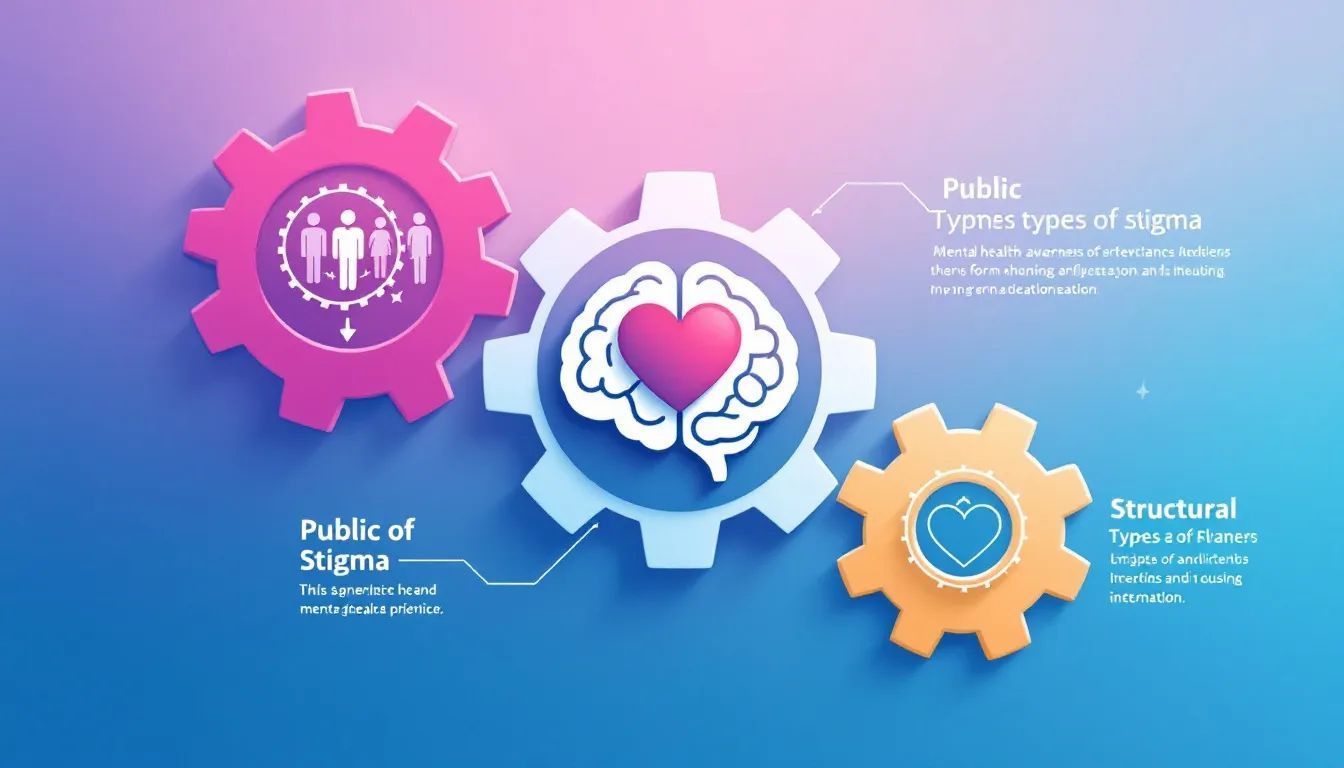
Recognizing the Three Faces of Stigma on the Job
Understanding the different types of stigma is the first step in reducing stigma around mental health at work.
Public Stigma: Peer Perceptions and Gossip
Public stigma is visible in attitudes, language, and behavior. Colleagues may make offhand jokes, exclude someone from projects, or doubt their abilities based on mental health disclosures. This can lead to social exclusion and missed opportunities.
Self-Stigma: Internalised Shame Among Employees
Self-stigma occurs when employees absorb negative beliefs and judge themselves harshly. They may feel unworthy, weak, or fear being a burden. This internal shame often prevents people from seeking help, applying for promotions, or even participating in team activities.
Structural Stigma: Policies, Processes, and Norms
Structural stigma is embedded in workplace systems. It appears in rigid attendance policies, lack of flexible work options, or benefits that do not cover mental health. Even well-intentioned programs can reinforce stigma if they are seen as superficial or inaccessible.
Creating a Culture of Openness: Conversation Starters and Storytelling
Building an open culture is crucial for reducing stigma around mental health at work. Leaders and peers play a key role in making it safe to talk.
Initiating Fearless Dialogue in Meetings
Start meetings with check-ins that invite people to share how they are feeling—not just what they are doing. Normalize questions like, How is everyone managing stress this week? Encourage managers to share their own experiences, signaling that vulnerability is respected.
Using Lived-Experience Champions
Identify and support employees who are willing to share their mental health journeys. These champions can speak at events, join panels, or contribute to internal communications. Their stories humanize mental health and help others feel less alone.
Language Swaps That Normalize Seeking Help
Words matter. Replace stigmatizing language with person-centered terms. Instead of saying he's depressed, try he has depression. Avoid labels like crazy or unstable. Encourage phrases that focus on strength and recovery, such as seeking support or managing mental health.
Bullet List: Language Swaps to Reduce Stigma
- Use person living with anxiety instead of anxious person
- Say seeking support rather than can't cope
- Refer to mental health days as part of standard leave
- Avoid phrases like snap out of it or just be positive
Policies and Programs for Reducing Stigma Around Mental Health at Work
A supportive culture needs strong policies and effective programs. Superficial wellness initiatives often fail because they lack depth, personalization, or ongoing engagement.
Crafting Inclusive Benefits and Reasonable Adjustments
Offer benefits that cover the full spectrum of mental health needs—from preventive care to crisis support. Make it easy for employees to request adjustments like flexible hours, remote work, or time off for therapy.
Anti-Discrimination and Flexible Work Policies
Update policies to explicitly prohibit mental health discrimination. Ensure that flexible work arrangements are accessible to all, not just a privileged few. Provide clear guidelines so managers know how to support employees seeking adjustments.
Awareness Campaigns and Peer Ambassador Networks
Run ongoing anti-stigma campaigns using internal newsletters, webinars, and workshops. Establish peer ambassador networks where trained employees offer support and guidance. These initiatives should be ongoing, not one-off events.
Bullet List: Essential Elements of Effective Anti-Stigma Initiatives
- Regular mental health awareness campaigns
- Peer ambassador or champion programs
- Anonymous employee feedback channels
- Integration with existing wellness and HR resources
Equipping Managers: Training, Language, and Daily Behaviors
Managers are the frontline of reducing stigma around mental health at work. They need practical skills, not just theory.
Mental Health Literacy and First-Response Skills
Provide training so managers can recognize signs of distress, respond empathetically, and connect employees with resources. Mental health first aid and psychological safety workshops are effective starting points.
Performance Reviews That Foster Psychological Safety
Redesign performance reviews to include wellbeing check-ins. Focus on strengths and growth, not just output. Ask open-ended questions about workload and stress, and offer support rather than criticism when challenges arise.
Modelling Self-Care and Boundary Setting
Leaders who prioritize their own mental health set a powerful example. Encourage managers to take breaks, use mental health days, and talk openly about self-care. This normalizes healthy boundaries for everyone.
Ordered List: Steps Managers Can Take to Reduce Stigma
- Complete mental health literacy and first-aid training.
- Regularly check in with team members about wellbeing.
- Use person-centered, non-judgmental language.
- Encourage use of benefits and support resources.
- Model healthy boundaries and self-care practices.
Measuring Progress and Keeping Momentum
Reducing stigma around mental health at work is an ongoing journey. Tracking progress ensures efforts stay on course and adapt to changing needs.
Key Metrics, Surveys, and Feedback Loops
Use anonymous surveys to measure employee perceptions of stigma, psychological safety, and support. Track utilization of mental health benefits and participation in awareness programs. Share progress transparently to build trust.
Celebrating Wins and Iterating Initiatives
Recognize teams and individuals who contribute to a stigma-free culture. Celebrate milestones, such as increased benefit usage or successful peer ambassador events. Use feedback to refine programs and address emerging challenges.
Future-Proofing Your Strategy for a Hybrid Workforce
Hybrid and remote work bring unique challenges. Employees may feel more isolated, and traditional in-person programs may not reach them. Invest in digital platforms and AI-driven tools that foster connection, support, and ongoing engagement—wherever employees are.
How Neroia’s AI-Driven Platform Is Shaping the Future of Mental Health Support
Traditional wellness initiatives often fall short in reducing stigma around mental health at work. Large company-organized activities can feel forced, and many employees hesitate to participate, especially in hybrid or remote settings where isolation and digital fatigue are common. This is where Neroia’s vision stands out: leveraging artificial intelligence to create truly organic, supportive micro-events that foster authentic connection and normalize mental health conversations.
Neroia’s platform uses AI to effortlessly discover and recommend small-group activities tailored to individual interests and schedules. Whether it’s a mindfulness session, a yoga meetup, or an open conversation circle, these curated micro-events (typically 3-4 participants) break silos and make it safe for employees to engage. Unlike rigid, top-down interventions, Neroia’s approach is flexible, personal, and employee-centric.
In recent pilots, Neroia’s AI chat orchestrated coordination for yoga, Qigong, and wellness circles, matching employees based on shared interests and availability. This not only reduced planning friction but also encouraged spontaneous, informal interactions—key ingredients for reducing stigma around mental health at work. Employees reported feeling more comfortable discussing wellbeing in these smaller, supportive settings, compared to traditional large-scale programs.
“Neroia’s AI-driven micro-events make it easy to connect, share, and support each other—no matter where you work. It’s a game-changer for building trust and breaking the silence around mental health.”
Neroia’s commitment goes beyond technology. By integrating with existing HR programs and external resources, the platform ensures a seamless experience. Anonymized data provides HR teams with actionable insights, while maintaining privacy and a closed, secure community. This enables organizations to measure the impact of their mental health initiatives and continuously refine their approach.
What sets Neroia apart is its focus on breaking down barriers—both social and structural. By cultivating safe, informal engagement, the platform helps employees move past self-stigma and public stigma. It empowers managers to model openness, and it gives every team member a voice in shaping a supportive culture. As organizations look to the future, AI-powered solutions like Neroia are poised to lead the way in reducing stigma around mental health at work, enhancing wellbeing, collaboration, and productivity for all.
Conclusion: Building the Future of Stigma-Free Workplaces
Reducing stigma around mental health at work is not a one-time project—it’s a continuous, evolving commitment. Leaders and teams must challenge outdated myths, recognize the hidden costs of silence, and build cultures of openness through conversation, policy, and daily behavior. Technology, when used thoughtfully, can be a powerful ally.
Neroia’s AI-driven micro-events demonstrate how personalized, organic connections can transform workplace culture, making it easier for everyone to seek support and thrive. As your organization looks ahead, embracing employee-centric, tech-enabled approaches is the key to a healthier, more connected, and stigma-free future. For companies committed to reducing stigma around mental health at work, Neroia offers a flexible, privacy-first solution that empowers every employee to engage, connect, and grow—wherever they are.